Foods That Reduce Cravings Naturally and Help You Feel Full Longer
I used to think I was overeating because I lacked discipline. But most days, I was just relying on convenience foods that never really kept me going for long. I’d get random hunger during workdays, hit afternoon crashes, and still want something sweet after dinner even after eating a full meal.
Things improved once I stopped trying to “eat less” and started paying more attention to what I was actually eating. Adding more fruit, vegetables, oats, and higher-protein meals helped cut down my late-night snacking and made those energy swings during the day feel a lot less extreme. Meals started sticking with me longer, and I wasn’t constantly looking for something else to eat an hour later.
10 Simple Foods That Make Healthy Eating Easier
Not all meals leave you feeling the same afterward. Some keep you going through long afternoons, while others leave you wanting coffee, sweets, or something crunchy an hour later.
I started noticing that most of my cravings came from relying too much on convenience foods that never really stuck with me. Busy workdays usually turned into random grazing, afternoon crashes, and late-night eating habits that felt impossible to break.
Here’s what actually made the biggest difference:
Most of the ingredients below are affordable, minimally processed, and easy to work into quick lunches, busy mornings, or weeknight dinners. Many are also commonly discussed in research from Harvard Health Publishing and the Centers for Disease Control and Prevention (CDC), especially when it comes to fiber intake, appetite awareness, and eating patterns built around whole foods instead of restriction.
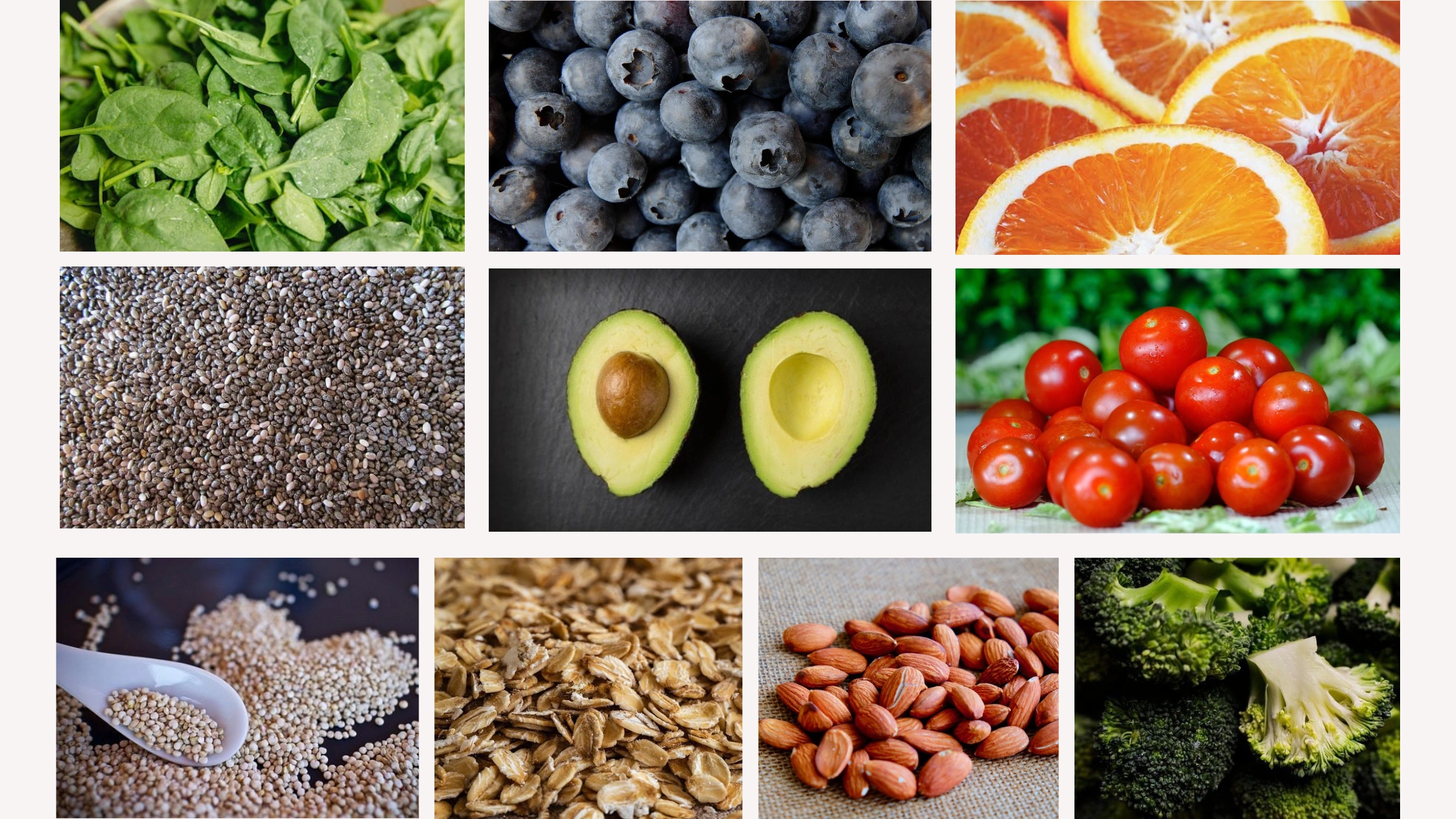
1. Spinach
Spinach became one of the easiest ingredients to add to meals because it adds volume without making dishes feel overly heavy. I started using it more during long workdays when quick lunches usually left me wanting something else an hour later.
It works well in omelets, grain bowls, wraps, and warm pasta dishes.
💡 A handful of spinach cooks down quickly, so it’s an easy way to add more texture and color without much effort.
2. Blueberries
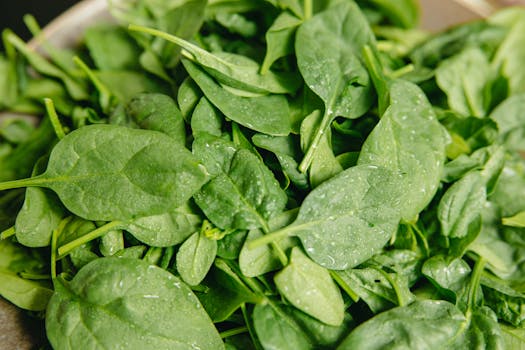
Blueberries became one of the easiest ways for me to deal with wanting something sweet after meals without reaching for packaged desserts. They feel more like a treat than “diet food,” especially when they’re cold and extra juicy.
I usually add them to yogurt bowls, oatmeal, or keep a small container in the fridge for long afternoons when random cravings start showing up.
💡 Frozen blueberries are surprisingly good during warmer months and work well mixed into creamy yogurt or overnight oats.
3. Oranges
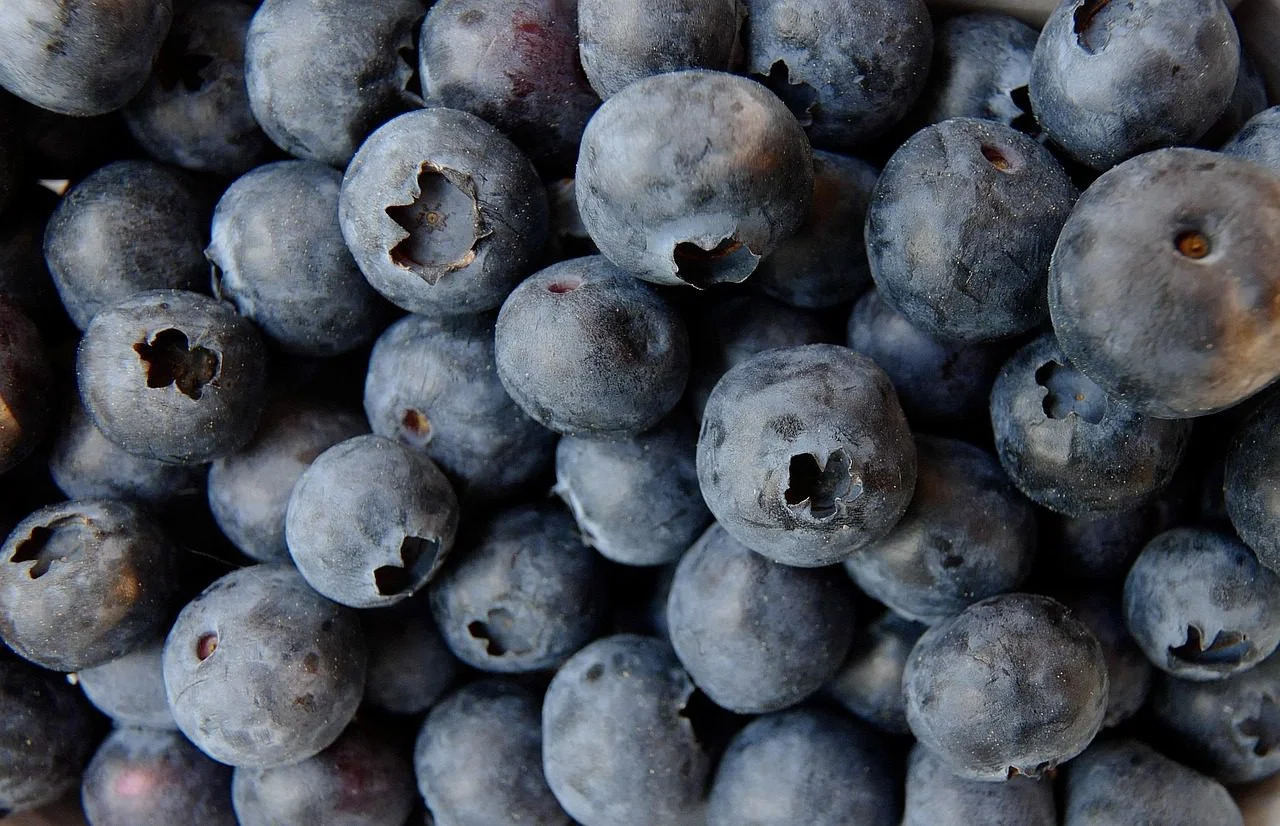
Oranges were one of the first things I started keeping around when I wanted something sweet but didn’t want another packaged snack. They’re refreshing, juicy, and surprisingly good at getting rid of that “I need dessert” feeling after meals.
I especially like them during long workdays because they’re easy to grab on the way out the door and don’t need any prep.
💡 Cold orange slices straight from the fridge feel much more refreshing than most processed sweets, especially in the afternoon.
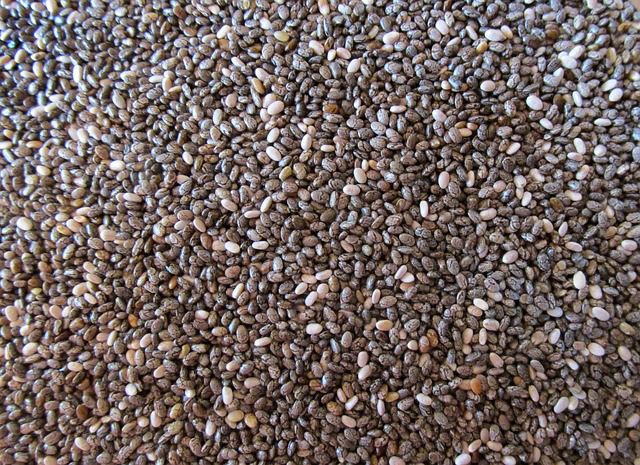
4. Chia Seeds
Chia seeds became one of my favorite additions for slower mornings when I wanted breakfast already waiting in the fridge. They make overnight oats and yogurt bowls feel thicker and more filling without much effort.
I started using them more during busy weeks because they work well for meal prep and take almost no time to put together the night before.
💡 Chia pudding tastes especially good with berries, cinnamon, or a little nut butter on colder mornings.
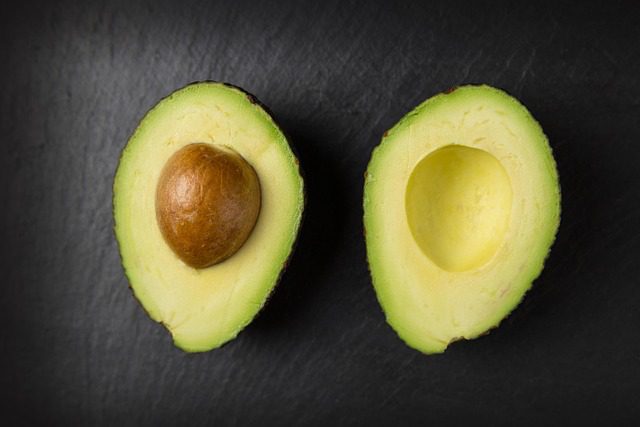
5. Avocado
Avocado quickly became one of my favorite ways to make quick lunches feel a little more substantial without relying on heavy sauces or takeout. The creamy texture works especially well in grain bowls, wraps, and simple toast combinations.
I started adding it more often to produce-forward lunches because it makes basic ingredients feel richer and less boring.
💡 Avocado pairs really well with eggs, tomatoes, citrus, and warm rice bowls when you want something comforting but not overly heavy.
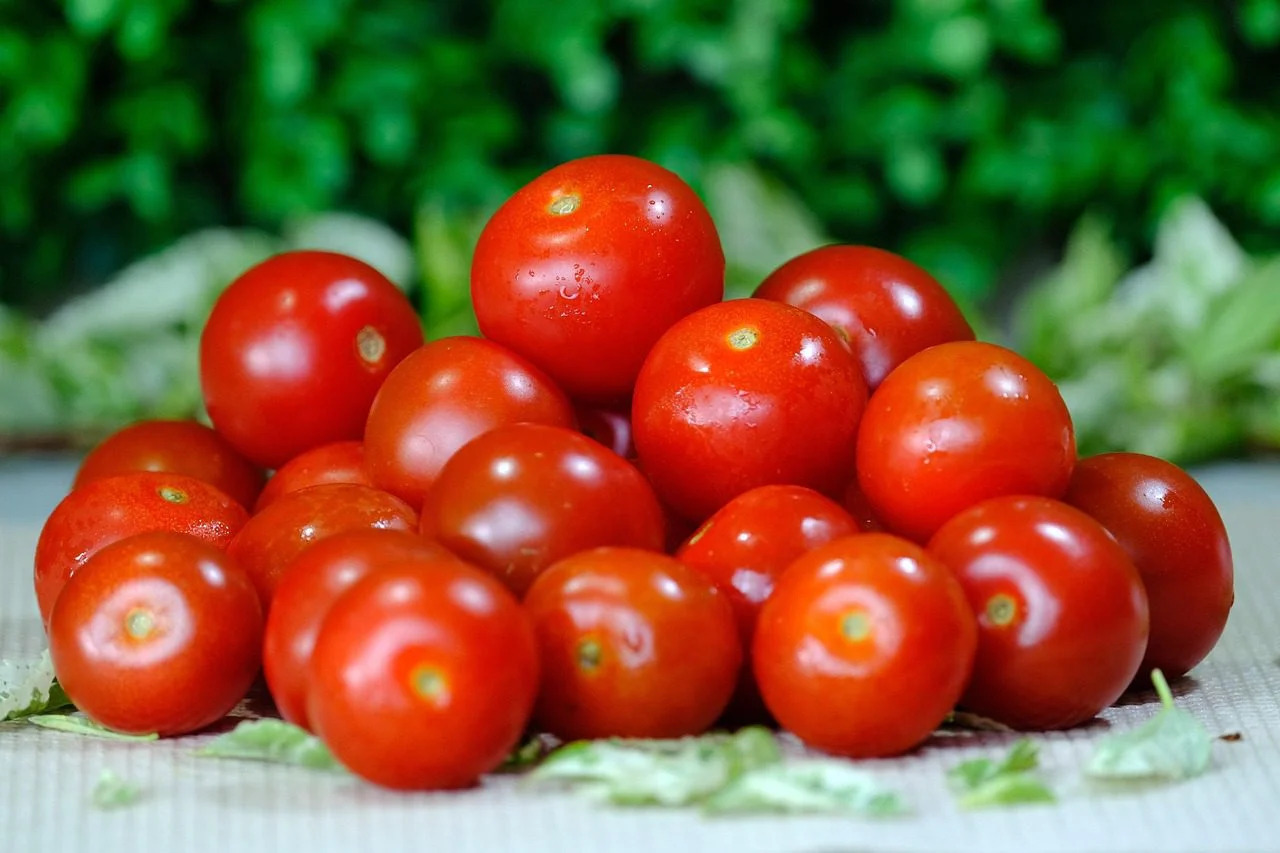
6. Cherry Tomatoes
Cherry tomatoes became one of my go-to additions for quick lunches because they add freshness and texture without any extra prep. They’re crisp, juicy, and make wraps or grain bowls feel less dry and repetitive.
I especially like keeping them around for desk lunches since they’re easy to pack and work well alongside sandwiches, pasta, or simple rice dishes.
💡 Roasted cherry tomatoes taste completely different from fresh ones and add a warm, savory flavor to weeknight dinners.
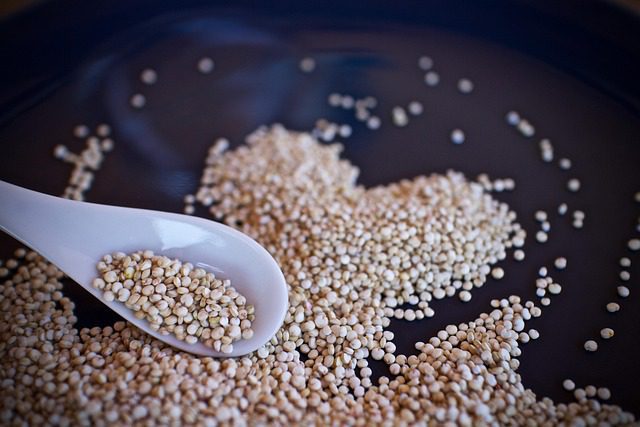
7. Quinoa
Quinoa became one of the few grains I kept coming back to during long workdays because it holds up well in meal prep and doesn’t leave me feeling sluggish an hour later. It works especially well in warm bowls with roasted vegetables, avocado, or eggs.
I started making bigger batches during busy weeks since it’s easy to throw into quick lunches and after-work dinners without much planning.
💡 Quinoa tastes better with texture, so I usually pair it with crunchy vegetables, fresh herbs, or something warm and savory.
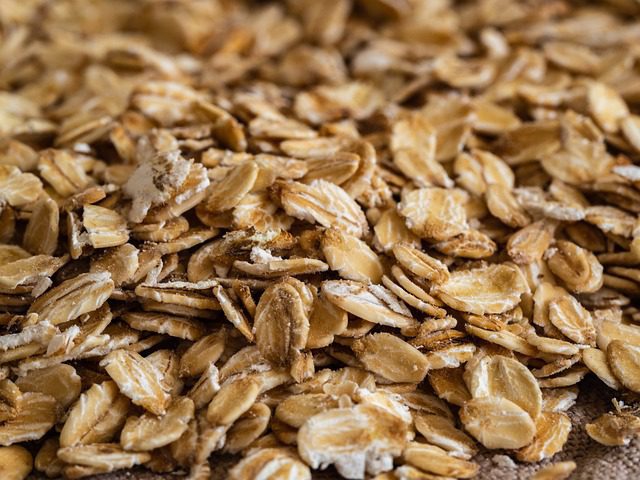
8. Oats
Oats became my default breakfast during busy mornings because they actually kept me going longer than sugary cereal or toast alone. A warm bowl of oats feels comforting on rushed workdays, especially when mornings start cold or hectic.
I usually add fruit, cinnamon, or nut butter to make it feel a little less repetitive during the week.
💡 Overnight oats are great when you don’t feel like cooking in the morning but still want something more substantial than a quick packaged breakfast.
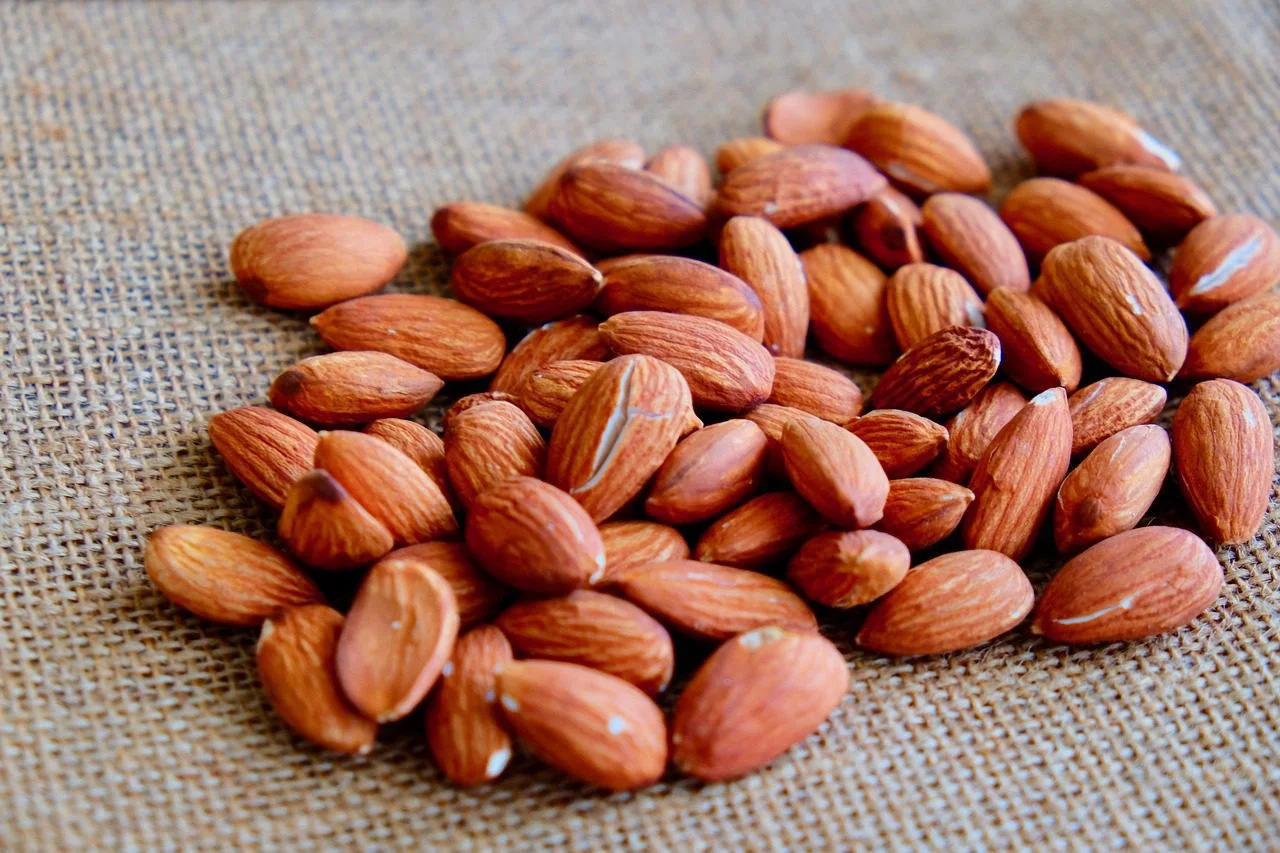
9. Almonds
Almonds became one of the few things I always kept nearby during long days because they’re easy to throw into a bag, desk drawer, or car without much planning. The crunch makes them feel more like a real break than another packaged convenience food.
I started reaching for them more often during busy afternoons when I wanted something quick but didn’t want the sluggish feeling that usually comes after vending machine snacks.
💡 Almonds pair really well with fruit, dark chocolate, or yogurt when you want something small that still feels a little more complete.
10. Broccoli
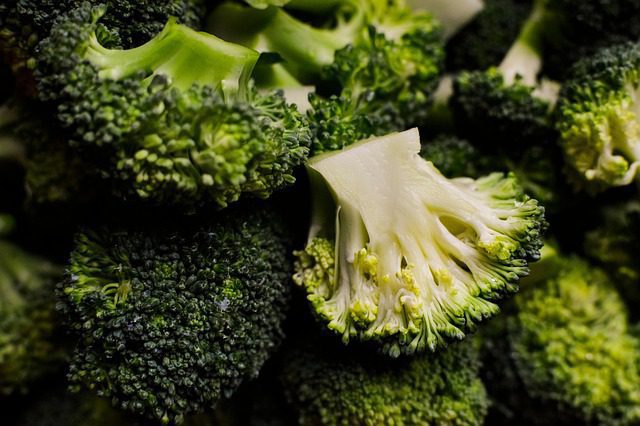
Broccoli became one of my favorite side dishes for weeknight dinners because it’s filling without making meals feel overly heavy. I used to think it was boring until I started roasting it in the oven instead of steaming it.
The edges get crisp, the flavor turns more savory, and it works surprisingly well in rice bowls, pasta dishes, or alongside simple proteins after long days.
💡 Roasted broccoli tastes even better with garlic, lemon, parmesan, or a little chili flake when you want something warmer and more comforting.
How to Choose Foods That Match Your Needs
Some ingredients work better for rushed mornings, while others make more sense for long afternoons, quick desk lunches, or evenings when sweet cravings usually show up. Instead of overthinking meals, it helps to keep a few practical staples around based on your routine.
Simple Food Swaps for Fewer Cravings
I stopped trying to completely change the way I ate overnight. A few smaller grocery swaps ended up being much easier to stick with, especially during busy weeks when convenience foods were everywhere.
None of these changes felt extreme, but together they made everyday meals feel a lot less repetitive and helped me rely less on heavily processed foods throughout the week.
📚 Learn More from Trusted Nutrition Sources
If you’re on a weight loss journey and want to build lasting habits, check out these expert resources:
- Helpful guidance on healthy eating and weight control from the CDC.
- Mindful eating strategies to help reduce overeating from Harvard Health.
Frequently Asked Questions About Foods That Reduce Cravings Naturally
More Simple Healthy Eating Ideas
Looking for more practical food ideas? These guides include easy snacks, simple meals, and realistic grocery options for busy days.
Healthy Late Night Snacks for Anxiety and Better Sleep
Simple evening snack ideas that feel comforting without relying on heavy processed foods late at night.
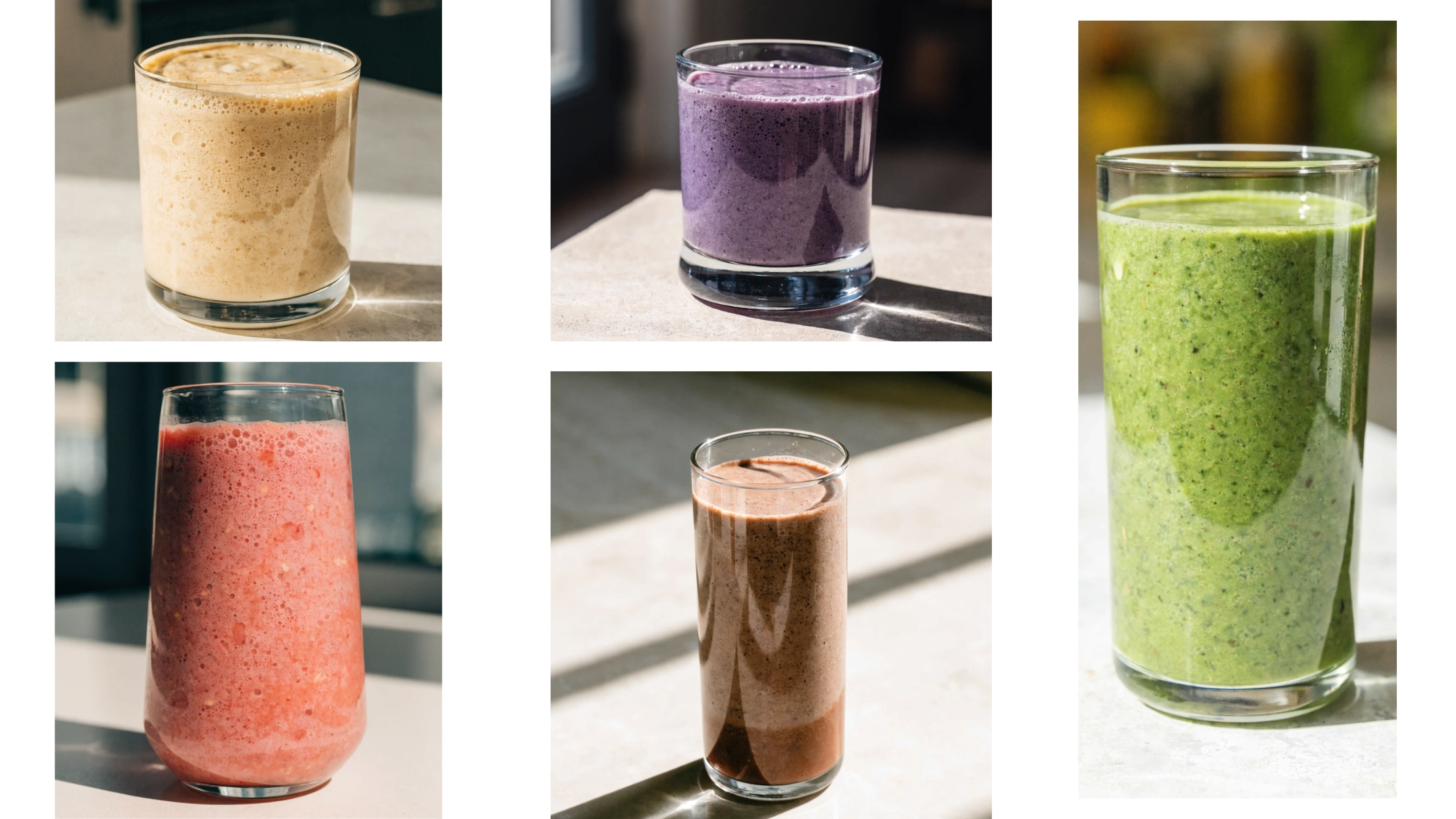
5 High-Protein Smoothies for Post-Workout Recovery
Quick smoothie ideas that work well during busy mornings, long afternoons, or after workouts.
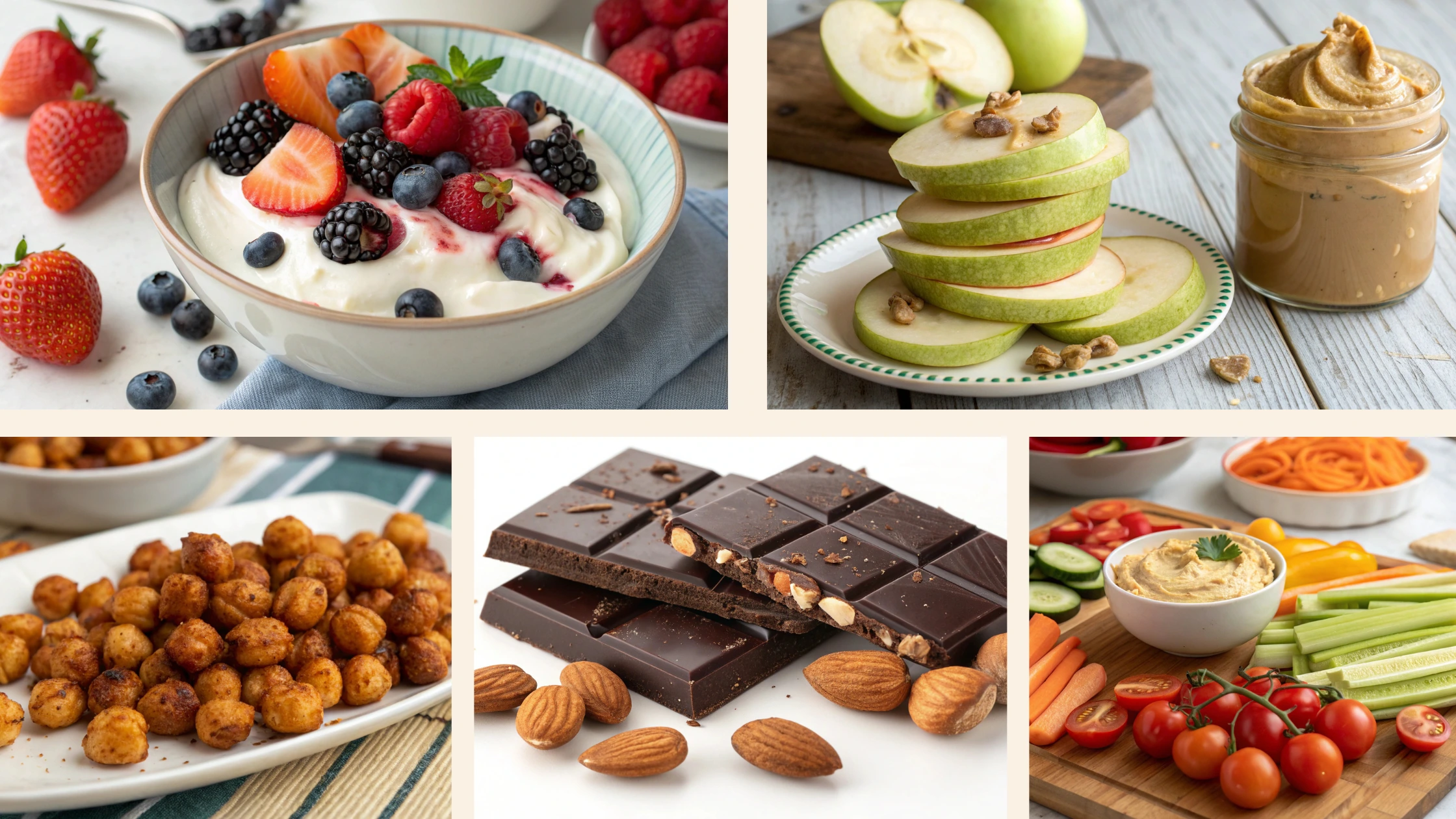
Healthy Snacks for Energy: 5 Easy Ideas That Actually Keep You Going
Easy snack ideas that feel more satisfying than typical packaged convenience foods.