Small Habits for Stressful Days That Make Everyday Life Easier
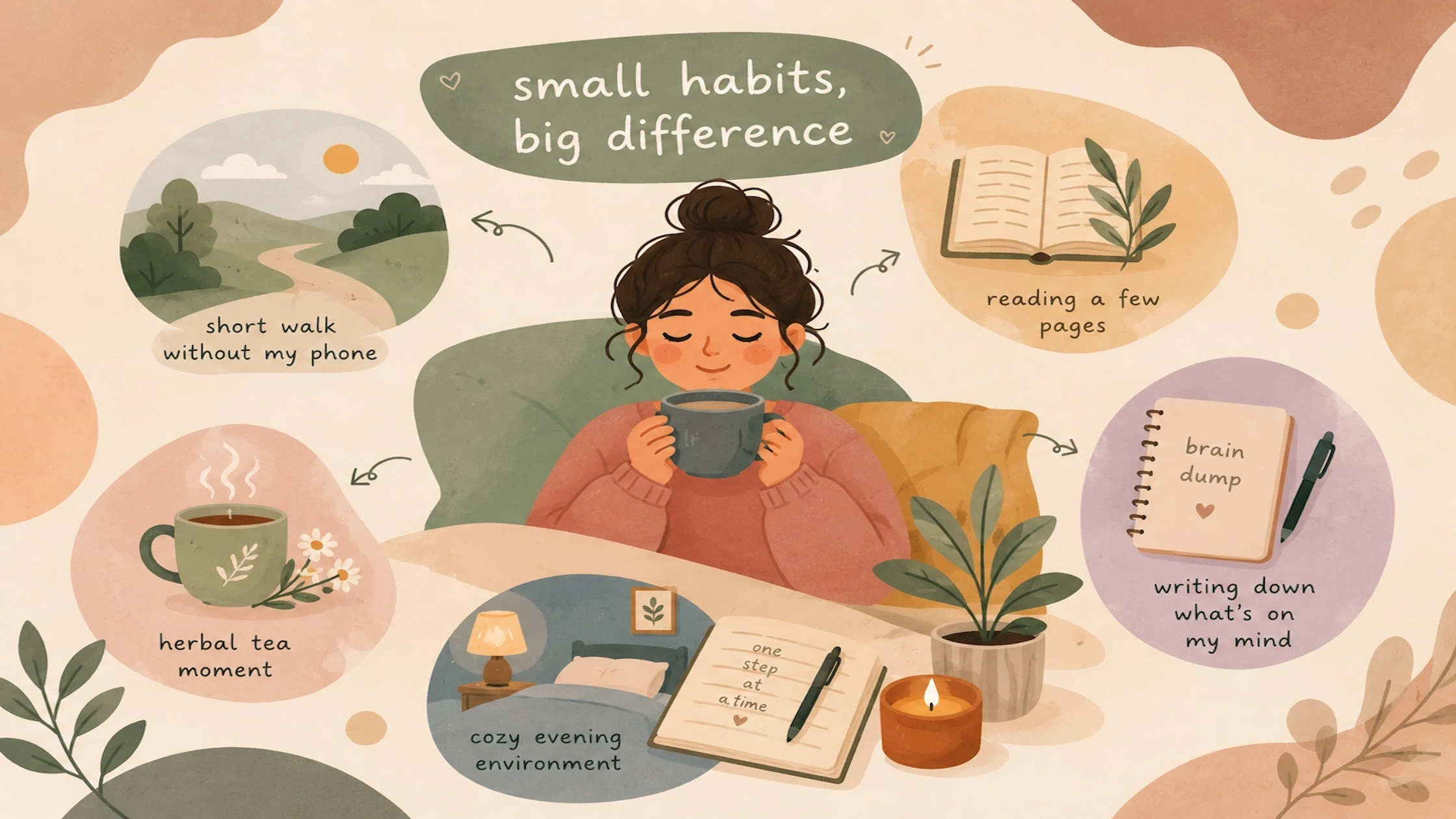
Stress is rarely caused by a single moment. It builds gradually through small things during the day, like a packed schedule, too much screen time, or a mind that keeps running in the background even when everything slows down.
Over time, I’ve realized that small habits often work better than big solutions. They don’t remove stress completely, but they create more space in the day and make everything feel more manageable.
In this article, I’m sharing a few simple things I naturally return to when I need a mental break or a quieter evening.
Small Habits Matter More Than Big Fixes
On difficult days, it’s easy to think a big change is needed, like time off, a long break, or a complete reset of everything.
But most of the time, what actually helps is much smaller.
“I’ve noticed that even a few quiet minutes can change the tone of the rest of my day.”
That might be stepping outside for a short walk, making a cup of tea, reading a few pages, or simply stepping away from what has been demanding your attention.
What I’ve noticed over time:
The biggest change does not come from doing more. It comes from briefly changing the pace of what you are already doing.
For example, when my thoughts feel scattered, writing them down helps everything feel less heavy. After long hours in front of a screen, a short walk outside feels refreshing. In the evening, reading replaces scrolling with something slower and more intentional.
5 Small Habits That Help Me Feel Less Stressed
Not every difficult day needs a big solution. Most of the time, it is small shifts in rhythm that make things feel more manageable. These are simple habits I return to when I need a pause or a bit of distance from everything happening at once.
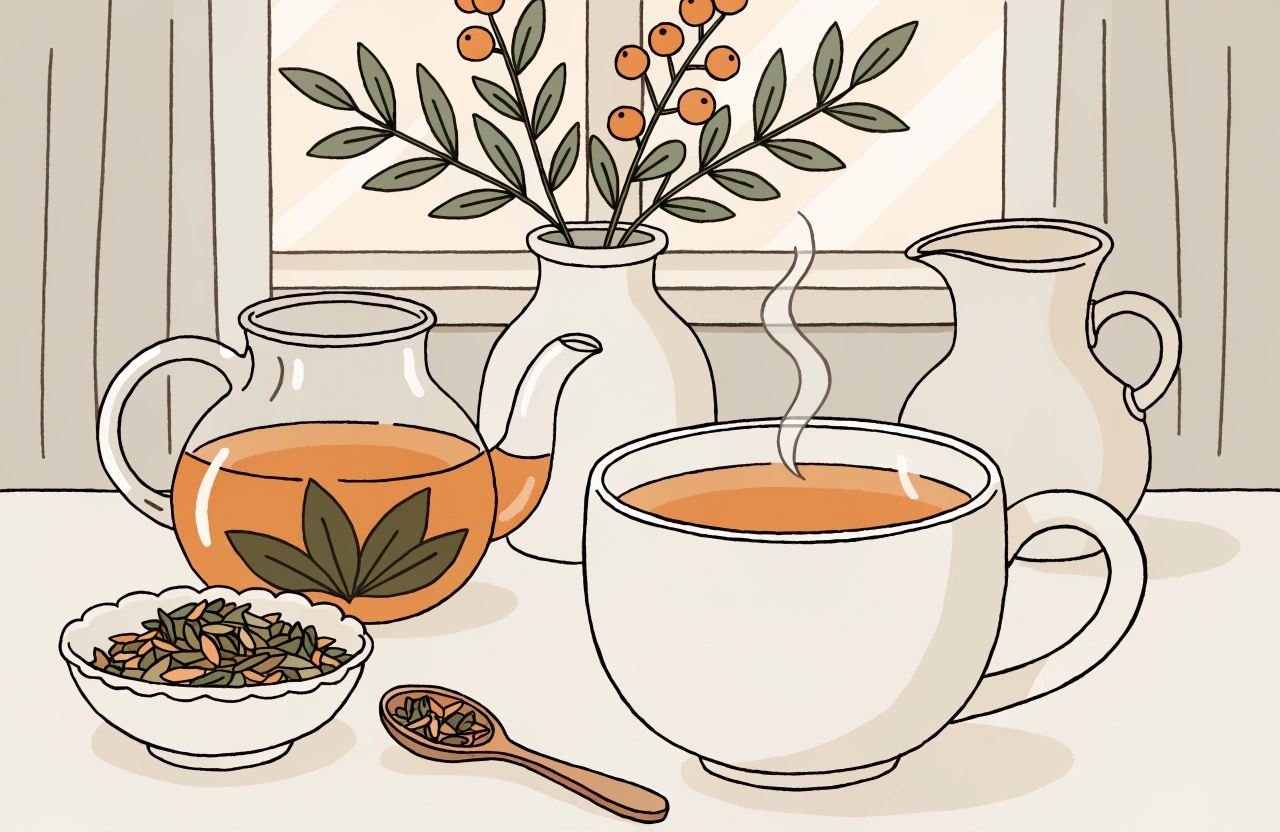
1. Making a Cup of Herbal Tea
This is one of the simplest ways I step out of what I am doing.
It is not about routine or ritual. It is about the act itself, boiling water, choosing a tea, and allowing a small pause to form naturally.
My favorite herbal teas for relaxation and better sleep are something I go back to whenever I need a calmer evening. I share more about them here: herbal teas for relaxation and better sleep.
That short break is often enough to change the pace of the moment.
2. Taking a Short Walk Without My Phone
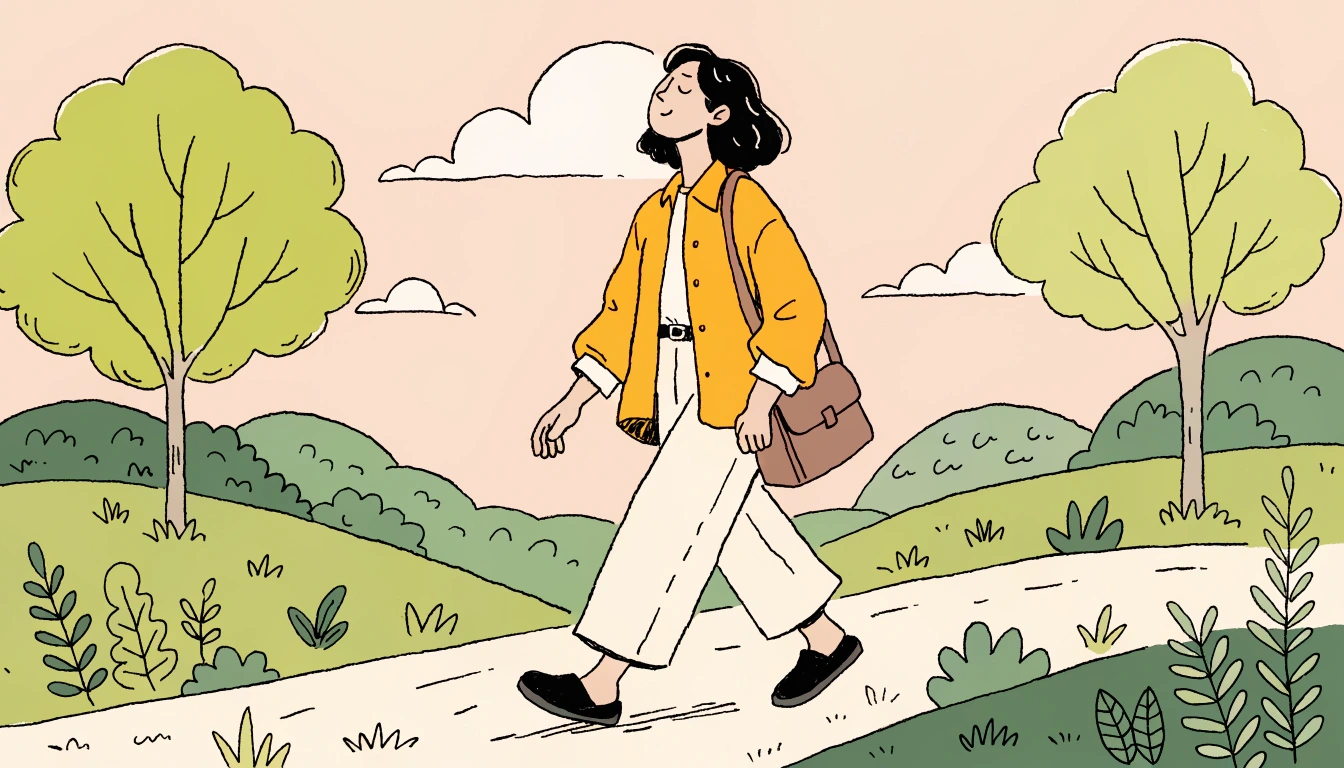
Without constant input, everything feels less crowded.
A short walk outside helps me disconnect from noise and notifications without forcing anything. No music and no scrolling, just movement and space.
Even a few minutes outside can shift how the rest of the day feels.
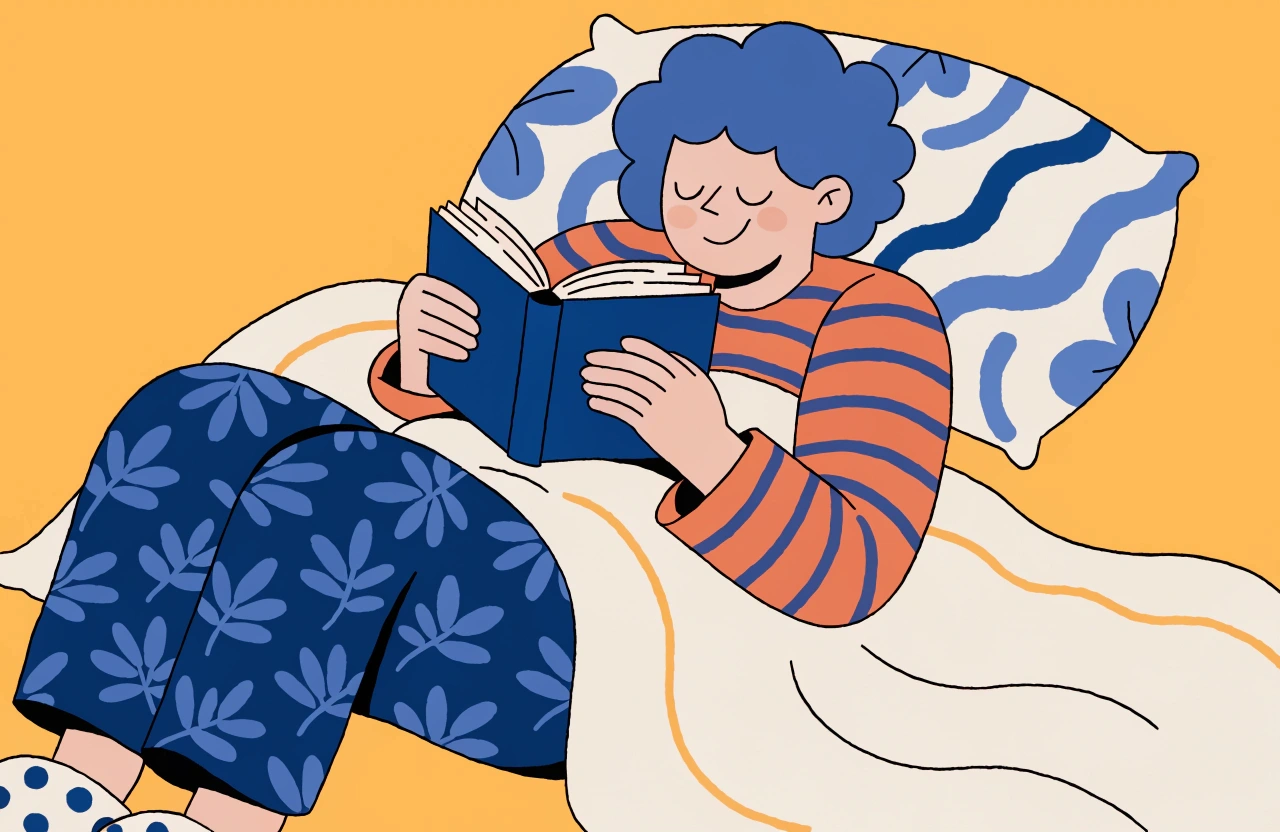
3. Reading a Few Pages Before Bed
This is one of the easiest ways to step away from screens in the evening.
A few pages are enough to slow things down and move into a quieter state before sleep.
Books feel different at night, less demanding and more steady.
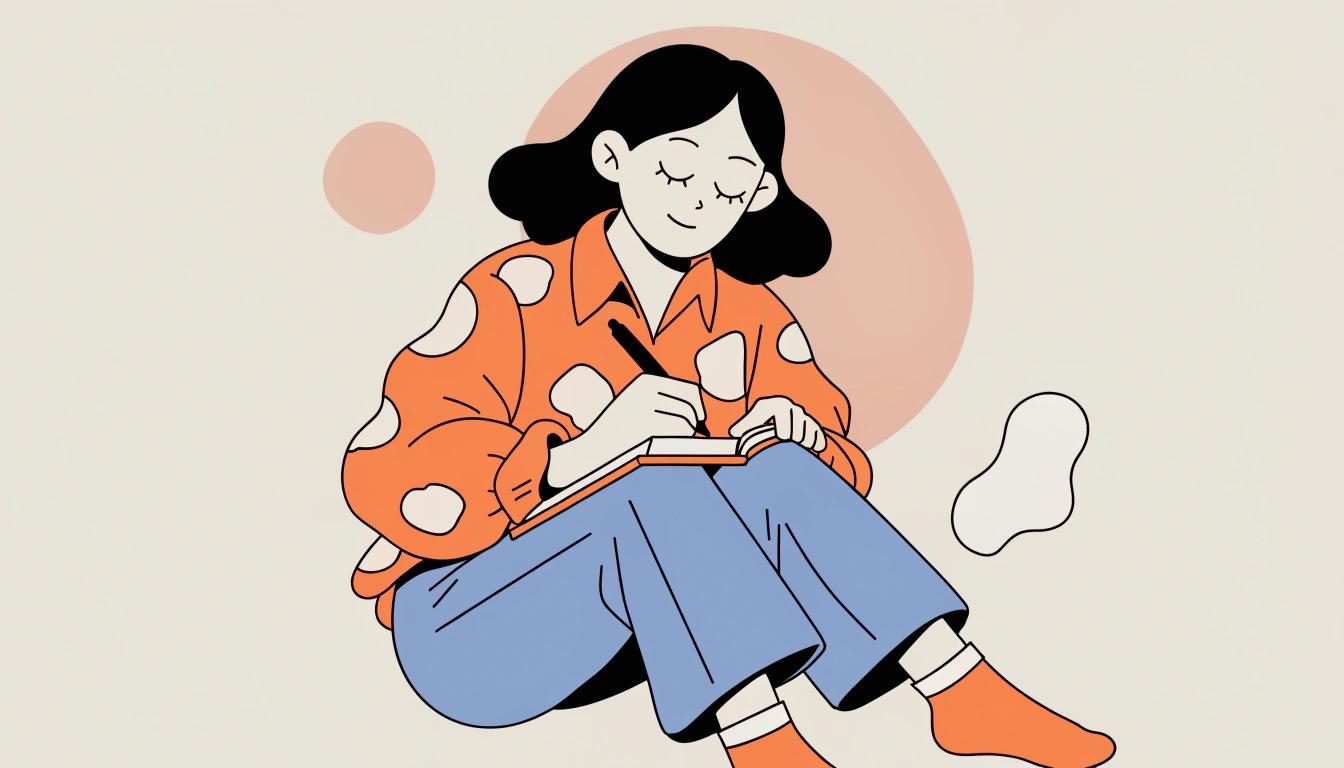
4. Writing Down What’s on My Mind
I don’t always write neatly or with structure — it’s usually just thoughts on paper.
It helps when my mind feels full. Putting things down makes everything feel less crowded.
Sometimes I also combine it with a short meditation for overthinking at night to help clear mental noise more effectively: guided meditation for overthinking.
Getting thoughts out of my head is often enough to feel lighter.
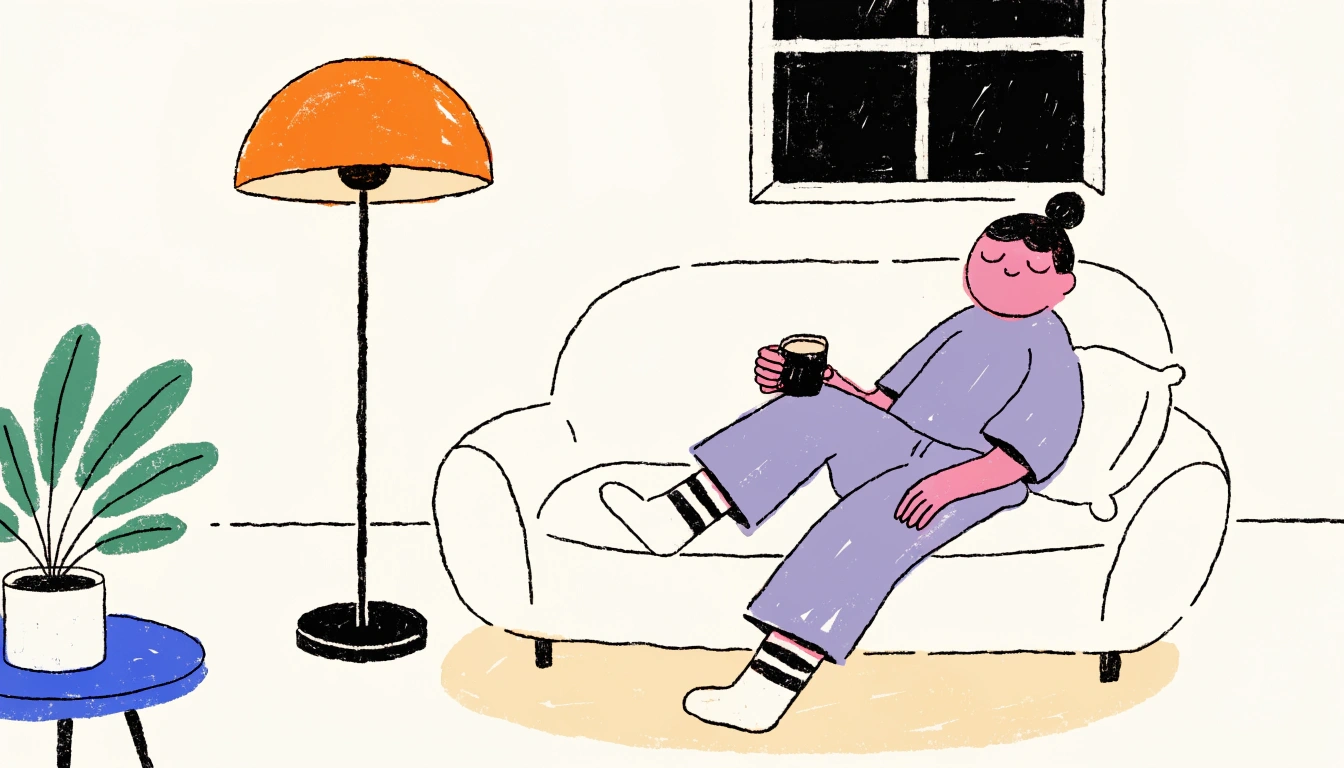
5. Creating a More Comfortable Evening Environment
Sometimes the change is not about action but about surroundings.
Soft lighting, a tidier space, or removing small distractions can change how the evening feels.
A calmer environment often makes it easier to slow down naturally, and I also talk more about calming sensory routines in my guide on essential oils for stress relief and better sleep: calming essential oil routines.
A calmer environment often makes it easier to slow down naturally.
Comparison of Small Habits That Help Reduce Stress
Not all habits work in the same way. Some are better for slowing things down, while others help more with mental clarity or changing the atmosphere of the evening.
Here is a simple comparison of how each habit fits into different moments of the day.
| Habit | Best Moment | What It Helps With | How It Feels |
|---|---|---|---|
| Herbal tea | Evening or short breaks | Creating a natural pause in the day | Gentle shift into a slower pace |
| Short walk without phone | Afternoon or when overwhelmed | Reducing mental noise and overstimulation | Light, open, refreshing |
| Reading before bed | Nighttime wind-down | Moving away from screens and mental overload | Quiet and steady transition into rest |
| Writing thoughts down | When the mind feels full | Organizing internal tension and mental clutter | Clearer and more grounded |
| Calmer evening environment | End of the day | Setting a softer tone for the evening | Subtle sense of comfort and ease |
My Simple Evening Reset Routine
Herbal Tea Moment
A simple pause that helps me step away from whatever I’m doing.
Phone-Free Walk
A short walk without input or notifications helps clear mental noise.
Reading Before Bed
Even a few pages are enough to slow the pace of the evening.
Writing Thoughts Down
Helps release mental clutter when everything feels too full.
Calmer Environment
Small changes in lighting or space shift the mood of the evening.
In the end, it’s not about having a perfect routine, but about recognizing small moments during the day when I can pause and reset. These simple habits don’t remove stress completely, but they make everyday life feel lighter and more balanced.
📚 Learn More from Trusted Sources
- Harvard Health Publishing – insights on relaxation, mindfulness, and mental well-being.
- Mind UK – simple explanations and self-care strategies for stress.
Frequently Asked Questions About Small Habits for Stressful Days
More Articles You Might Find Helpful
If you’re interested in small habits, stress relief, and creating a calmer daily routine, these related articles may be useful next steps.
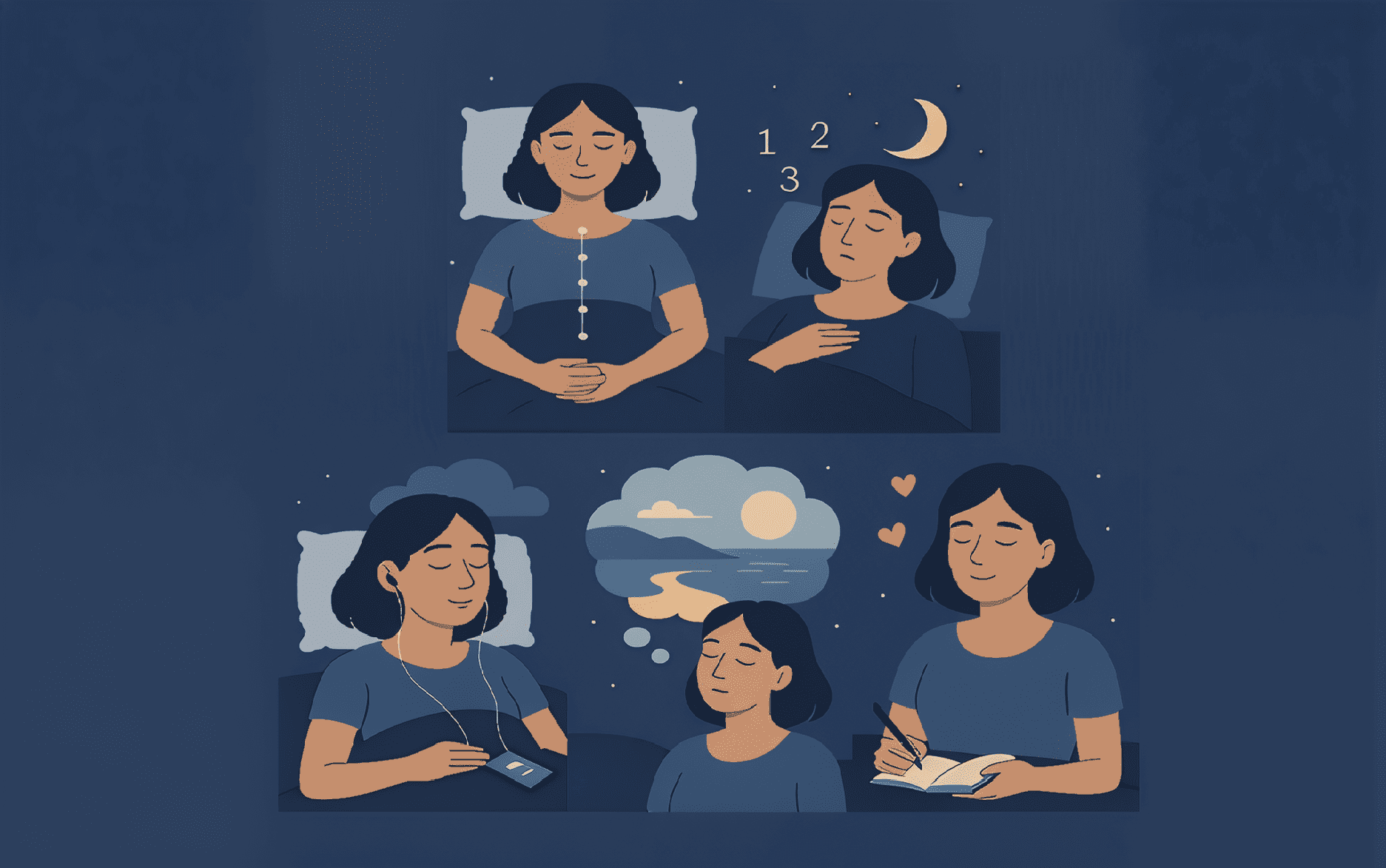
Meditation for Overthinking at Night
Simple techniques that help slow down racing thoughts before sleep.
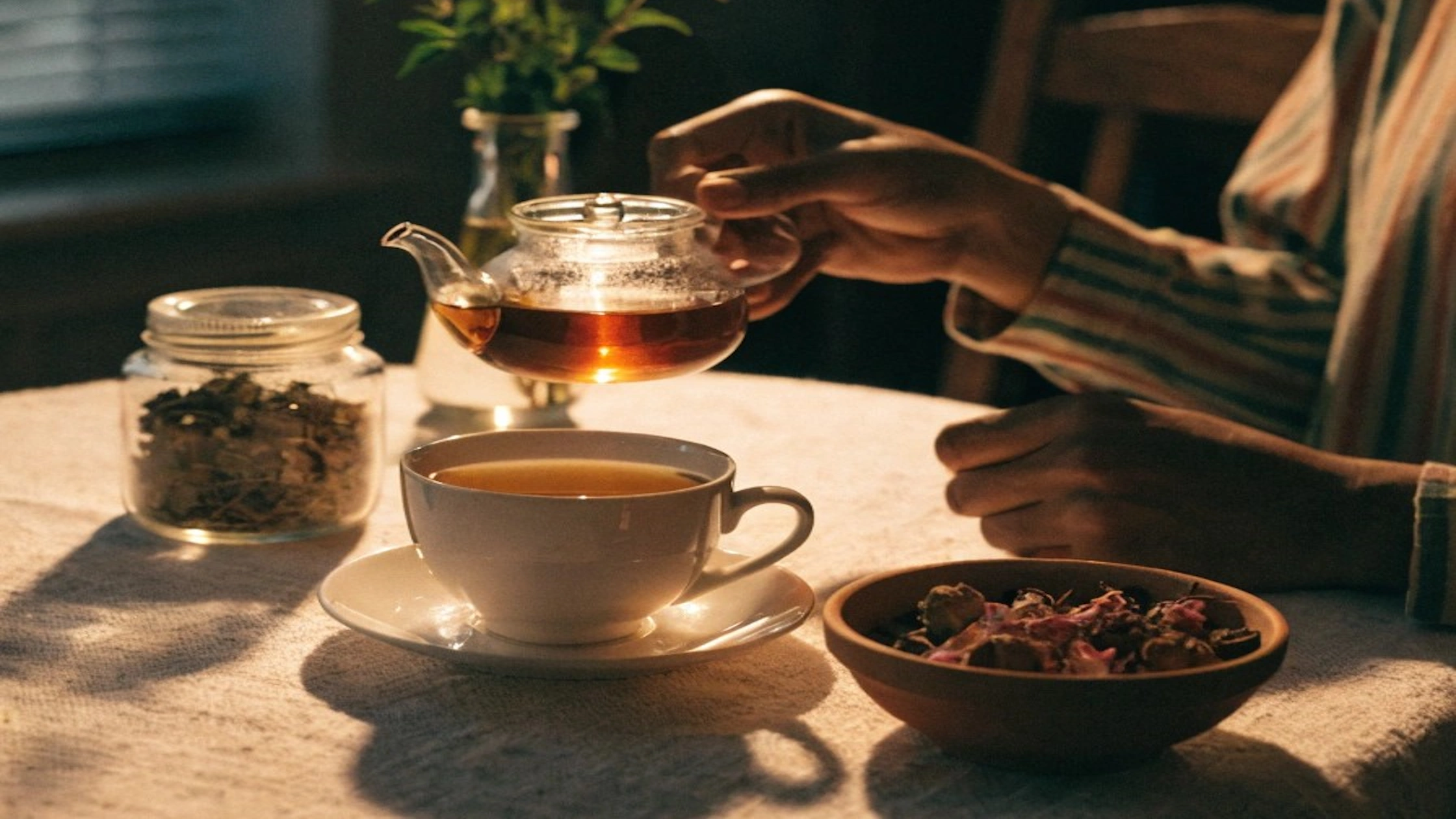
Herbal Teas for Relaxation and Better Sleep
A simple guide to calming teas and when to drink them.
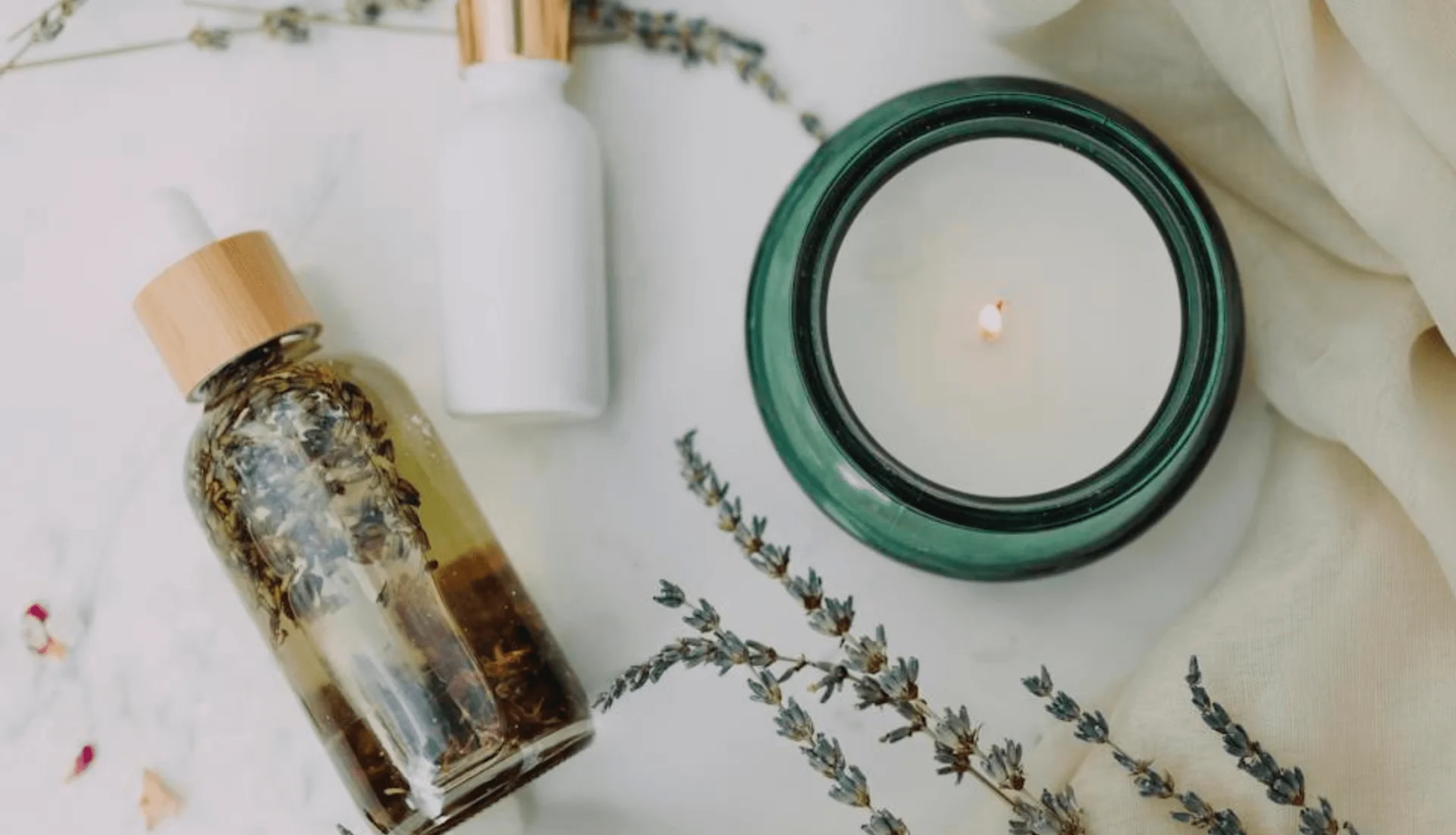
Aromatherapy Ideas for Stress Relief
Simple scents and evening habits that can help create a more relaxing atmosphere after a long day.