Yoga Poses for Stress Relief: Gentle Ways to Relax and Unwind
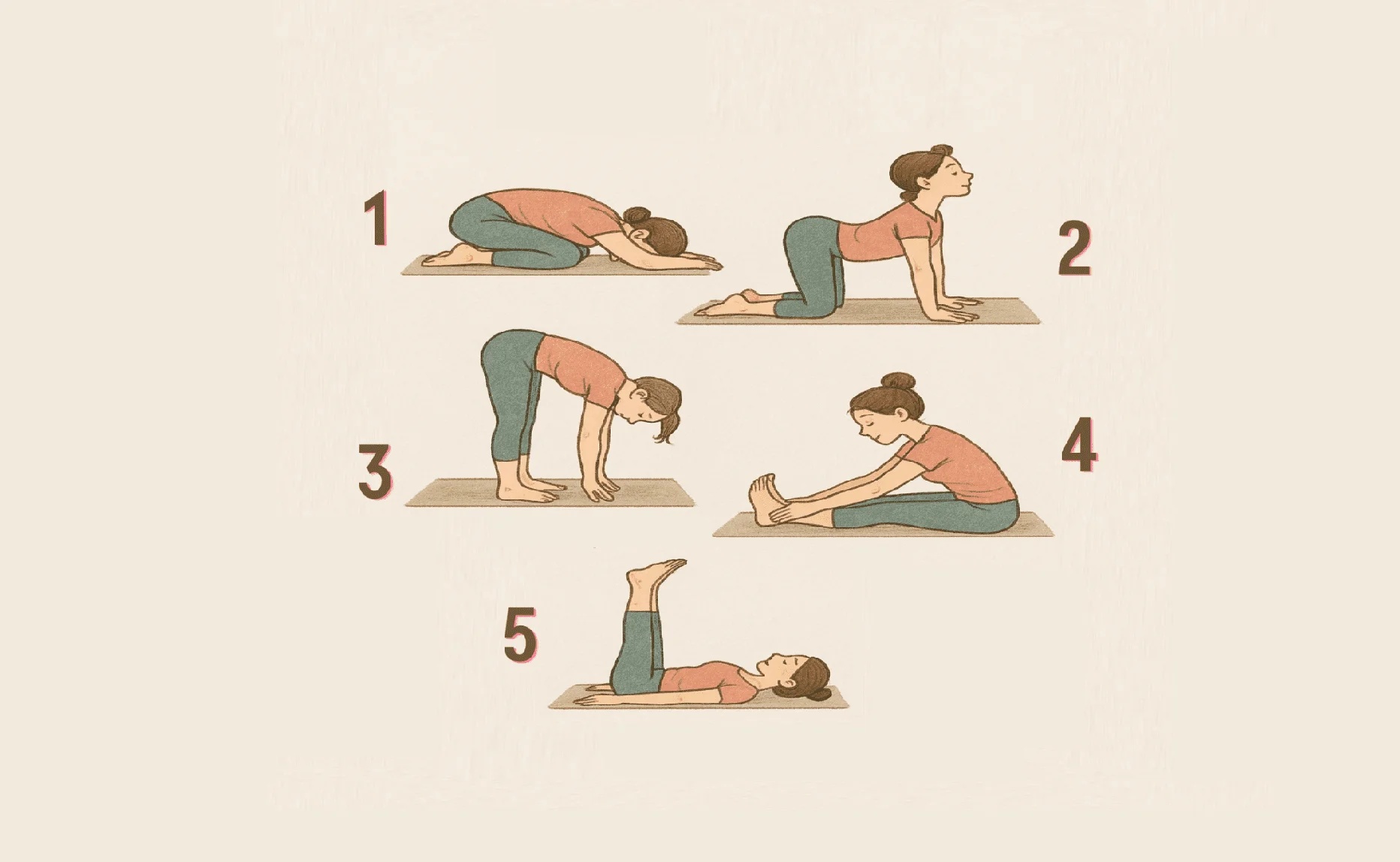
Stress can affect both the mind and body, often showing up as muscle tension, fatigue, restlessness, or difficulty relaxing. A gentle yoga practice can be a simple way to slow down, reconnect with your breath, and create a sense of calm. In this guide, you’ll learn how to practice five relaxing yoga poses for stress relief: Child’s Pose (Balasana), Cow Pose (Bitilasana), Standing Forward Bend (Uttanasana), Seated Forward Bend (Paschimottanasana), and Legs-Up-The-Wall Pose (Viparita Karani). Each pose offers a gentle way to release tension, encourage relaxation, and support overall well-being, regardless of your experience level.
Why These Yoga Poses Help Relieve Stress
One thing I’ve noticed during stressful periods is how quickly tension builds up in the body. Sometimes it’s tight shoulders after hours at a desk, other times it’s a racing mind that makes it hard to switch off. What makes these gentle yoga poses so helpful is that they don’t just stretch the muscles. They create a moment to slow down, breathe, and reconnect with how you’re feeling.
Many of these poses encourage mindful breathing, which naturally helps slow the heart rate and signals the nervous system that it’s safe to relax. At the same time, gentle stretching can ease physical tension that often accompanies stress, especially in the neck, back, hips, and shoulders.
What I like most about this type of practice is the mind-body connection it creates. Even a few minutes spent focusing on movement and breath can shift attention away from daily worries and bring you back to the present moment. Over time, that simple habit can make it easier to respond to stressful situations with more calm and clarity.
Research supports many of these benefits. According to Harvard Health Publishing , yoga may help reduce stress and support overall well-being. The National Center for Complementary and Integrative Health (NCCIH) also notes that yoga can improve quality of life and help manage stress-related symptoms. Additional information is available from the American Psychological Association , which discusses how movement and physical activity can support stress management.
Step-by-Step Instructions for 5 Relaxing Yoga Poses
Follow the step-by-step instructions below and move at a pace that feels comfortable for your body. Focus on steady breathing and gentle movement, allowing each pose to help release tension and encourage relaxation.

1. Child’s Pose (Balasana)
A restorative posture that helps calm the nervous system, encourage deep breathing, and promote a greater sense of relaxation.
Sit Back Toward the Heels
Begin on your knees and gently lower the hips toward the heels while keeping the spine relaxed and long.
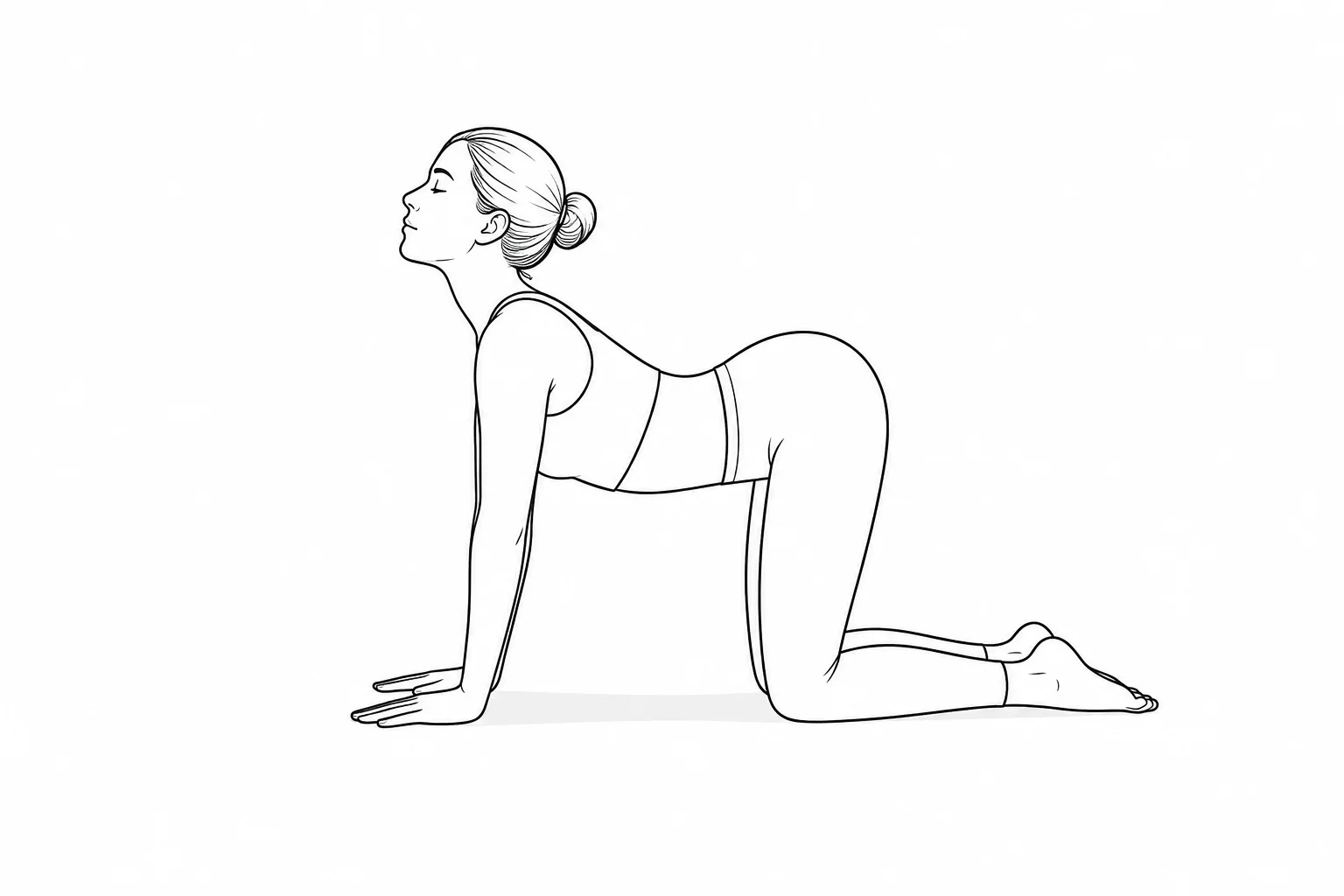
2. Cow Pose (Bitilasana)
This pose encourages smooth coordination between breath and movement while helping improve spinal mobility and ease stiffness.
Start in Tabletop Position
Begin on your hands and knees with your wrists under your shoulders and your knees under your hips. Keep your spine in a neutral position.
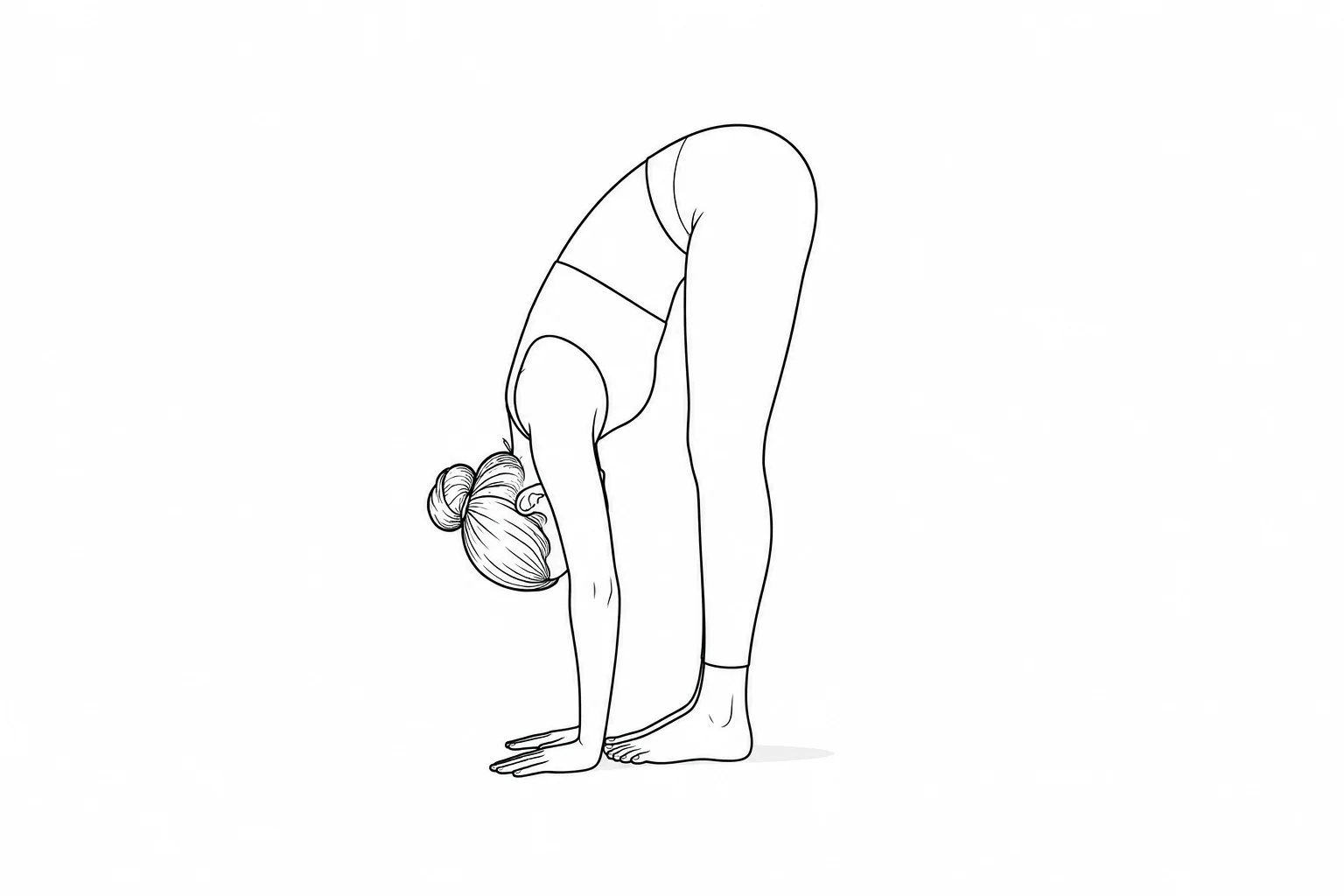
3. Standing Forward Bend (Uttanasana)
A calming forward fold that helps encourage relaxation, release tight muscles, and improve overall flexibility.
Stand Tall and Ground Your Feet
Begin standing with your feet hip-width apart. Distribute your weight evenly through both feet and lengthen your spine as you inhale.
4. Seated Forward Bend (Paschimottanasana)
A seated stretch that helps support relaxation, lengthen the back body, and quiet the mind.
Sit Tall With Legs Extended
Sit on the floor with your legs extended straight in front of you. Lengthen your spine and rest your hands beside your hips.


5. Legs-Up-The-Wall Pose (Viparita Karani)
An accessible pose that may promote circulation, ease physical fatigue, and encourage deep relaxation.
Start in Tabletop Position
Begin on your hands and knees with your wrists under your shoulders and your knees under your hips. Keep your spine in a neutral position.
Which Yoga Pose Is Right for You?
While each pose offers unique benefits, they all share a common goal: helping the body and mind slow down and recover from everyday stress. Depending on your needs, these poses can support relaxation, ease physical tension, encourage better sleep, and provide a gentle way to recharge. Explore the sections below to see which poses may be most helpful for different situations.
Contraindications and Safety Tips
Before practicing these poses, consider any existing injuries, mobility limitations, or medical conditions. Moving slowly and respecting your current range of motion can help make the practice more comfortable and effective.
- Use a folded blanket or cushion if sitting on the heels feels uncomfortable.
- Practice cautiously with knee or ankle injuries.
- Avoid forcing the hips toward the heels.
- Keep movements gentle if you have neck, shoulder, or lower back sensitivity.
- Avoid excessive arching of the spine.
- Move slowly and comfortably with your breath.
- Bend the knees slightly if you feel excessive tension in the hamstrings.
- Rise slowly to reduce the possibility of dizziness.
- Practice carefully if you have lower back concerns.
- Avoid pulling yourself deeper into the stretch.
- Keep a slight bend in the knees if needed.
- Sitting on a folded blanket may improve comfort and alignment.
- Exit the pose gradually if you feel lightheaded.
- Avoid holding the position longer than feels comfortable.
- Consult a healthcare professional if you have circulation concerns or certain eye conditions.
8–10 Minute Yoga Routine for Stress Relief
Child’s Pose
Slow your breathing and settle into the pose.
Cow Pose
Move gently with each inhale and exhale.
Standing Forward Bend
Allow the neck and shoulders to relax.
Seated Forward Bend
Breathe steadily and avoid forcing the stretch.
Legs-Up-The-Wall Pose
Remain comfortable and relax into stillness.
📚 Learn More from Trusted Sources
More Ways to Relax and Manage Stress
Gentle yoga is only one way to support relaxation. Explore these additional ideas that may help calm a busy mind, create a more peaceful evening routine, and support overall well-being.
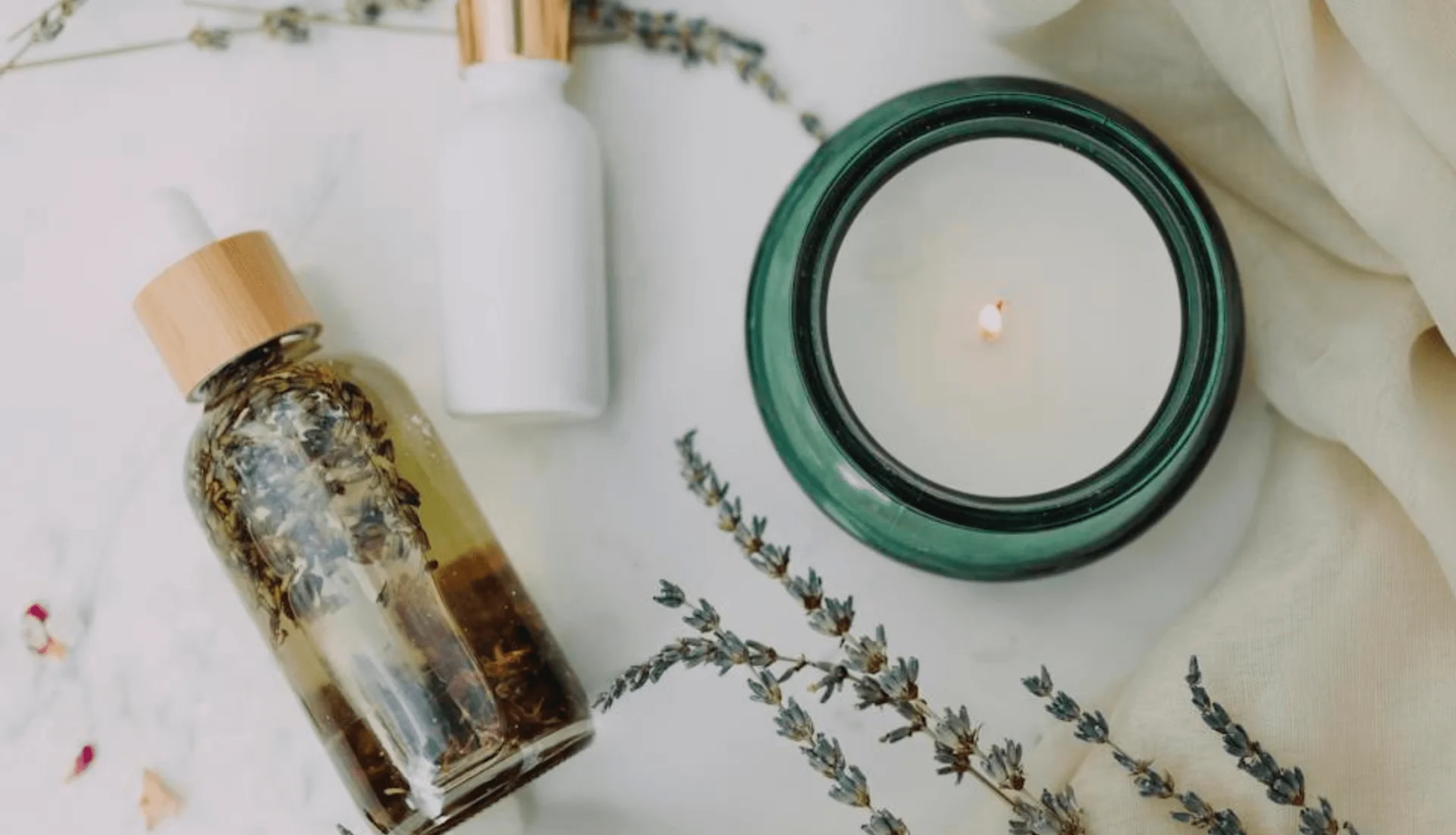
Aromatherapy Ideas for Stress Relief
Discover calming scents and simple evening rituals that may help create a more relaxing environment after stressful days.
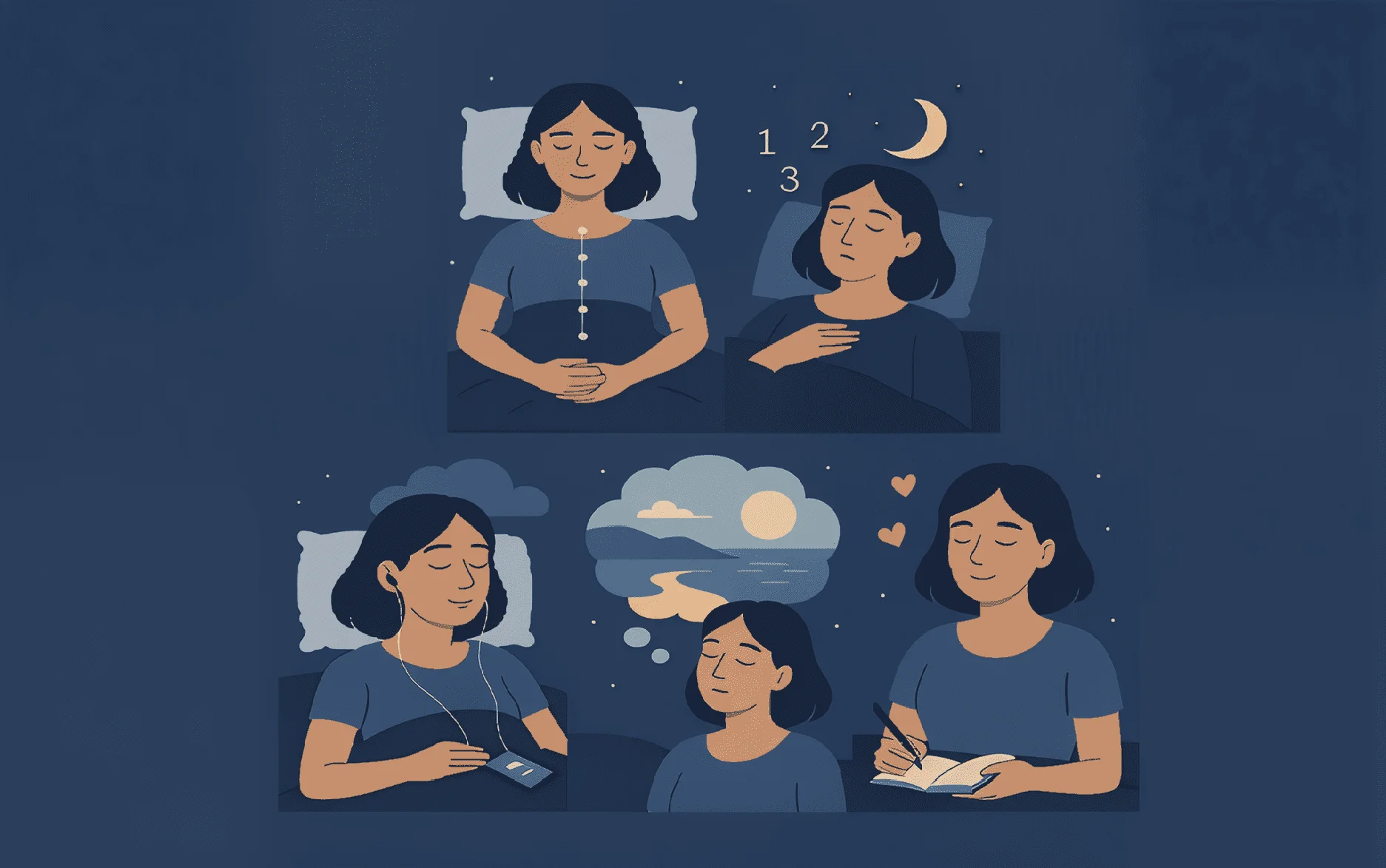
Meditation for Overthinking at Night
Learn simple meditation techniques that can help quiet racing thoughts, reduce mental clutter, and make it easier to relax before sleep.
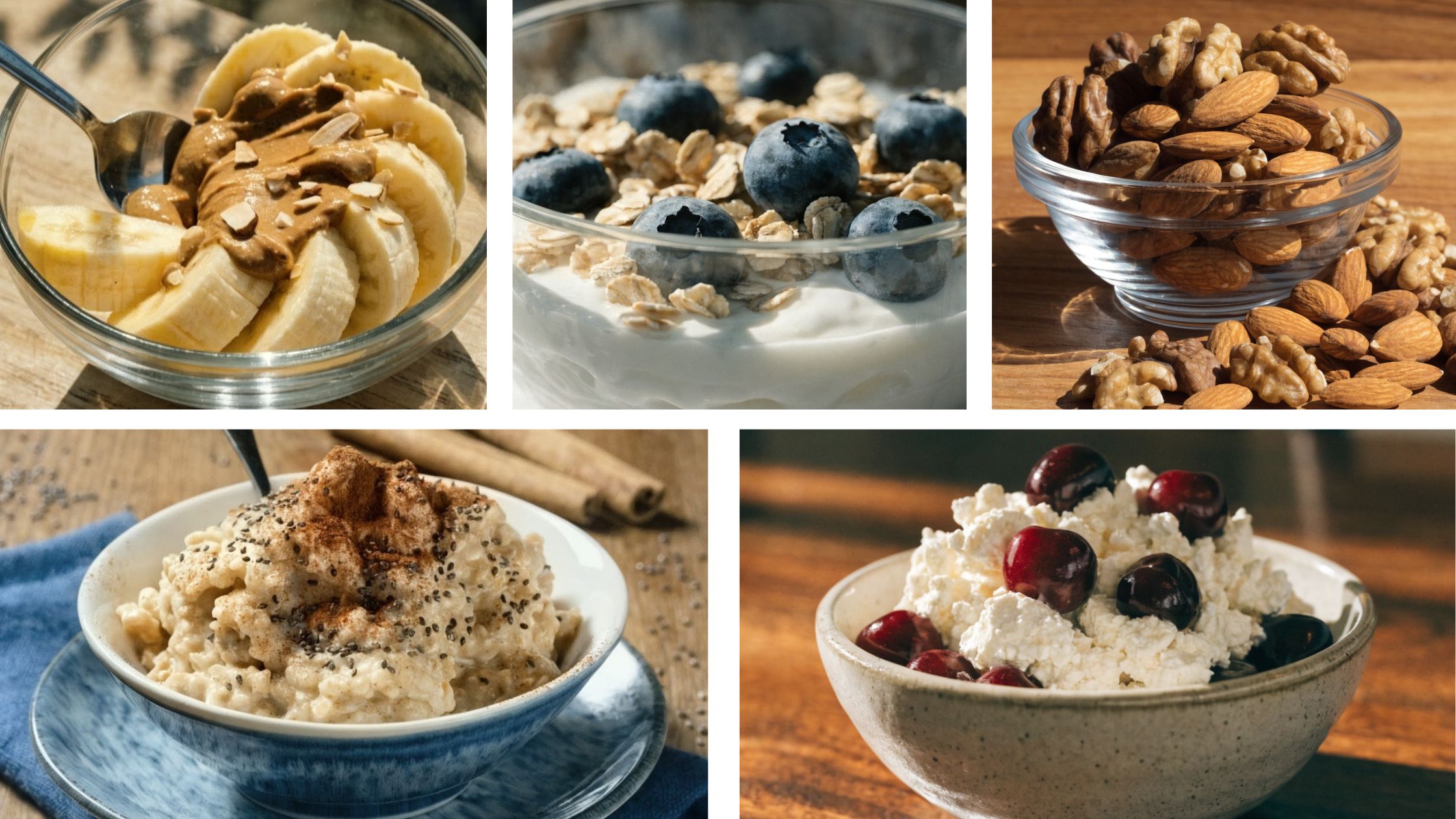
Healthy Late-Night Snacks That Feel Filling
Easy snack ideas with protein and fiber that can satisfy late-night hunger while fitting comfortably into an evening routine.