Walking for Stress Relief: A Simple Habit That Helps Me Reset
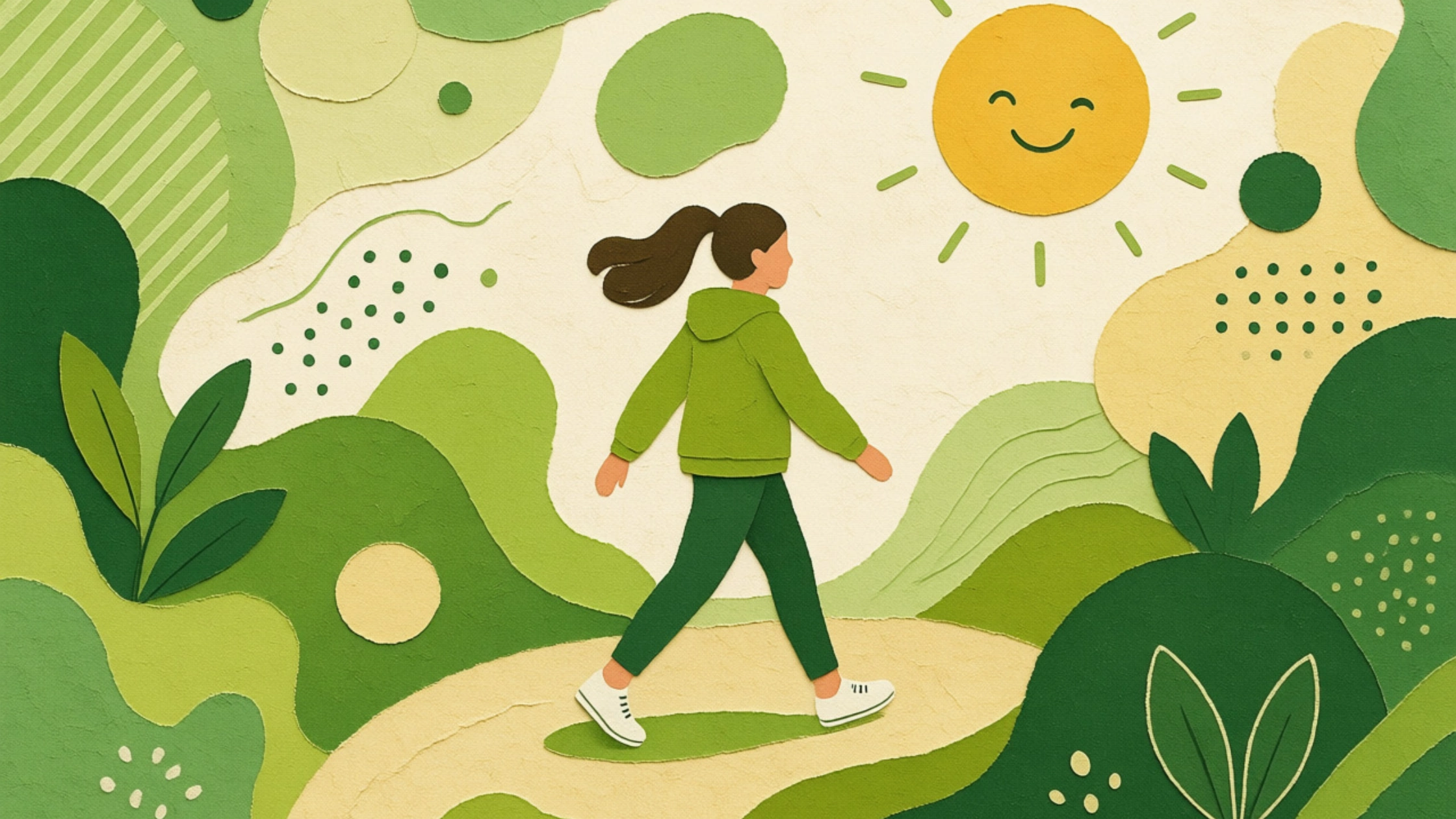
Some days, stress starts building before the day has even really begun. I can sit down at my desk with a long list of tasks, messages waiting for a reply, and dozens of small decisions already taking up space in my mind. After a few hours, it can feel like my thoughts are moving faster than I can organize them.
For a long time, I thought managing stress required a major change, a better routine, more free time, or a complicated self-care plan. But I started noticing that the habits that helped me most were often the simplest ones.
This became one of those habits. I didn’t start doing it because I wanted to follow a fitness goal or reach a certain number of steps. I started because I needed a small break from constant noise, screens, and unfinished thoughts. Even a short walk around my neighborhood gave me a chance to slow down, breathe, and return with a clearer perspective.
That is why walking for stress relief became such a natural part of my routine. It does not change everything instantly, but it gives me something I often need most: a few quiet minutes to reset and create some space in my head.
Why Walking Became My Stress Relief Habit
I didn’t begin this habit because I was looking for a perfect way to manage stress. It happened slowly, through small moments when I needed a break from a busy day. At first, it was simply a way to step away from my desk, get some fresh air, and create a little distance from everything happening around me.
I started realizing that even a short walk could change the way I felt. The problems were still there when I came back, but they often felt easier to handle.
“A short walk became my way to create a pause in the middle of a busy day and return with a calmer mind.”
What surprised me most was that this habit did not feel like another task I had to complete. Many habits disappear because they require too much effort, but this felt different.
I didn’t need a special plan, expensive equipment, or a large amount of free time. The low effort was exactly what made it possible to continue.
Why Walking Became Part of My Routine:
I don’t need special equipment or a complicated plan. I can simply put on my shoes and step outside.
Because it feels natural, this habit is easier to maintain even during stressful periods.
A short walk gives my thoughts room to slow down and become more organized.
I especially notice the difference after long periods of work. When I stay at my desk for too long, my thoughts can start feeling crowded. A few minutes outside gives me a natural transition. I leave one environment, move my body, and return with a slightly different perspective.
For me, the change usually happens in a simple sequence. Pressure starts building, I step outside for a short walk, and slowly I start feeling calmer.
How Walking Changes My Stress Level:
What works for me may look different for someone else, but I found that small walks work best when they feel easy and realistic.
I don’t try to make every walk productive. Sometimes the most helpful thing is simply leaving the screen behind and paying attention to what is around me.
Sometimes I use mindful walking for stress by focusing on simple things around me instead of staying stuck in my thoughts. I pay attention to sounds, movement, and the feeling of being outside.
Small things that make my walks more helpful
✓ Leave my phone alone
✓ Walk without solving problems
✓ Notice surroundings
✓ Use it as a transition between different parts of the day
This stopped feeling like something I had to plan and became a natural response when I felt overwhelmed. It became a small habit that helped me create space during stressful days.
I also started noticing that small daily habits can make stressful moments easier to handle. Simple changes in the way we organize our day can create more balance over time. I share more ideas in my article about small habits for stressful days that make everyday life easier.
How Walking Helps Me Handle Stress
I started noticing that walking was not only helping me stay active. The biggest change was what happened in my mind while I was outside. When pressure starts building, I often don’t need more information or more solutions. I need a moment where I can step away from constant thoughts and give myself some mental space.
One of the biggest benefits of walking for mental health is the mental space it creates. Even a few minutes outside can help me slow down, organize my thoughts, and return to everyday tasks with a calmer perspective.
1. How a Short Walk Clears My Head
One of the first things I notice during a walk is that my thoughts become less crowded. When I spend too much time at my desk, every task can start feeling equally important.
Stepping outside changes the environment around me. Instead of looking at the same screen and thinking about the same problems, I give my mind a chance to slow down.
For me, walking to clear your mind is less about distance or speed and more about changing your surroundings. A different place, fresh air, and a few quiet minutes can create enough space to see things differently.
Before a walk
- Too many thoughts at the same time
- Difficulty focusing
- Feeling mentally overloaded
After a walk
- More mental space
- Clearer priorities
- Calmer approach to problems
2. A Short Walk Helps Me Step Away From Overthinking
Some stressful moments are not caused by one big problem. They happen because too many small thoughts keep repeating in my head.
When my thoughts continue racing later in the evening, I use other calming techniques as well. Meditation can be especially helpful before sleep, and I shared some simple ideas in my guide to meditation for overthinking at night .
Walking creates a natural interruption. It changes my environment and helps me return with a different perspective.
When my thoughts feel overloaded, I try to:
- Leave the screen for a few minutes
- Walk without checking notifications
- Notice what is happening around me
3. Creating a Pause Between Work and Personal Time
Working from home showed me how easy it is for work thoughts to continue long after the laptop is closed.
This small break became a simple signal that one part of the day was finished and another was beginning.
Stress builds up → I step outside → I walk → I feel more settled.
Walking became helpful for me not because it solved every stressful moment, but because it gave me a simple way to respond differently.
Instead of staying stuck in the same thoughts, I learned that a few minutes outside can create a small shift. Sometimes that is enough to return to my day with more patience, focus, and a calmer perspective.
The biggest lesson for me was stress relief does not always require big changes. Small habits, repeated regularly, can create meaningful moments of balance.
My Simple Walking Routine for Stressful Days
I used to think that a useful walking routine needed a clear schedule. I thought I had to go out every day, reach a certain number of steps, or make each walk long enough to be meaningful.
I realized that this approach made the habit feel like another responsibility. The walks I actually continue are the ones that fit naturally into my day. For me, a good routine is not about distance or speed. It is about creating small moments when I can step away, slow down, and reconnect with myself.
The most valuable walks are often the ones that feel easy enough to repeat. A few quiet minutes outside can become a small reset during a stressful day.
Some days, my walk is longer and more intentional. Other days, it is simply a few minutes outside between tasks. Both can be useful because the goal is not to complete a workout. The goal is to create a pause.
I usually choose when to walk based on what I need at that moment.
| When I walk | What I usually need | How it helps |
|---|---|---|
| Morning | A calm start before the day becomes busy | Helps me organize my thoughts and begin with a clearer mindset |
| During work | A break from screens and constant tasks | Creates mental distance and helps me return with better focus |
| After work | A transition between work and personal time | Helps me mentally finish the workday |
| Evening | A slower rhythm before rest | Creates a calmer ending to the day |
The time of day matters less than the reason behind the walk. I don’t walk because I have to follow a strict routine. I walk because it gives me a natural pause during busy days.
The habit works because it is flexible. It can be a 30-minute walk in the evening or simply ten minutes outside between tasks.
My 10-Minute Walking Reset
When I only have a few minutes, I keep it relaxed. The goal is not exercise. The goal is creating a small mental break.
I found that the easier the habit feels, the more likely I am to repeat it. When walking becomes another task to complete, it loses some of its value.
When it feels like a natural pause, it becomes something I actually look forward to.
For anyone who wants to make walking part of a stressful day, these are the small things that help me keep the habit simple:
✓ Choose consistency over perfection
✓ Walk even when you only have 10 minutes
✓ Do not turn every walk into exercise
✓ Use walking as a pause, not another task
Over time, walking became less about creating the perfect routine and more about creating small moments of balance.
The best habit is usually the one that fits naturally into everyday life. For me, walking works because it is simple enough to return to, even on stressful days. I also like combining this habit with other calming routines in the evening. For example, a quiet cup of herbal tea for relaxation can become another small moment to slow down after a busy day.
Even short walks for stress relief can become a useful reset during demanding days. They do not need to be long or perfectly planned. Sometimes a few minutes outside are enough to create a small pause and feel more balanced.
📚 Learn More from Trusted Sources
- Centers for Disease Control and Prevention (CDC)
- Harvard Health Publishing – Walking and Health Benefits
More Stress Relief Ideas You Might Find Helpful
If you’re building a calmer routine and looking for simple ways to manage stress, these related habits may help you create more peaceful moments throughout the day.
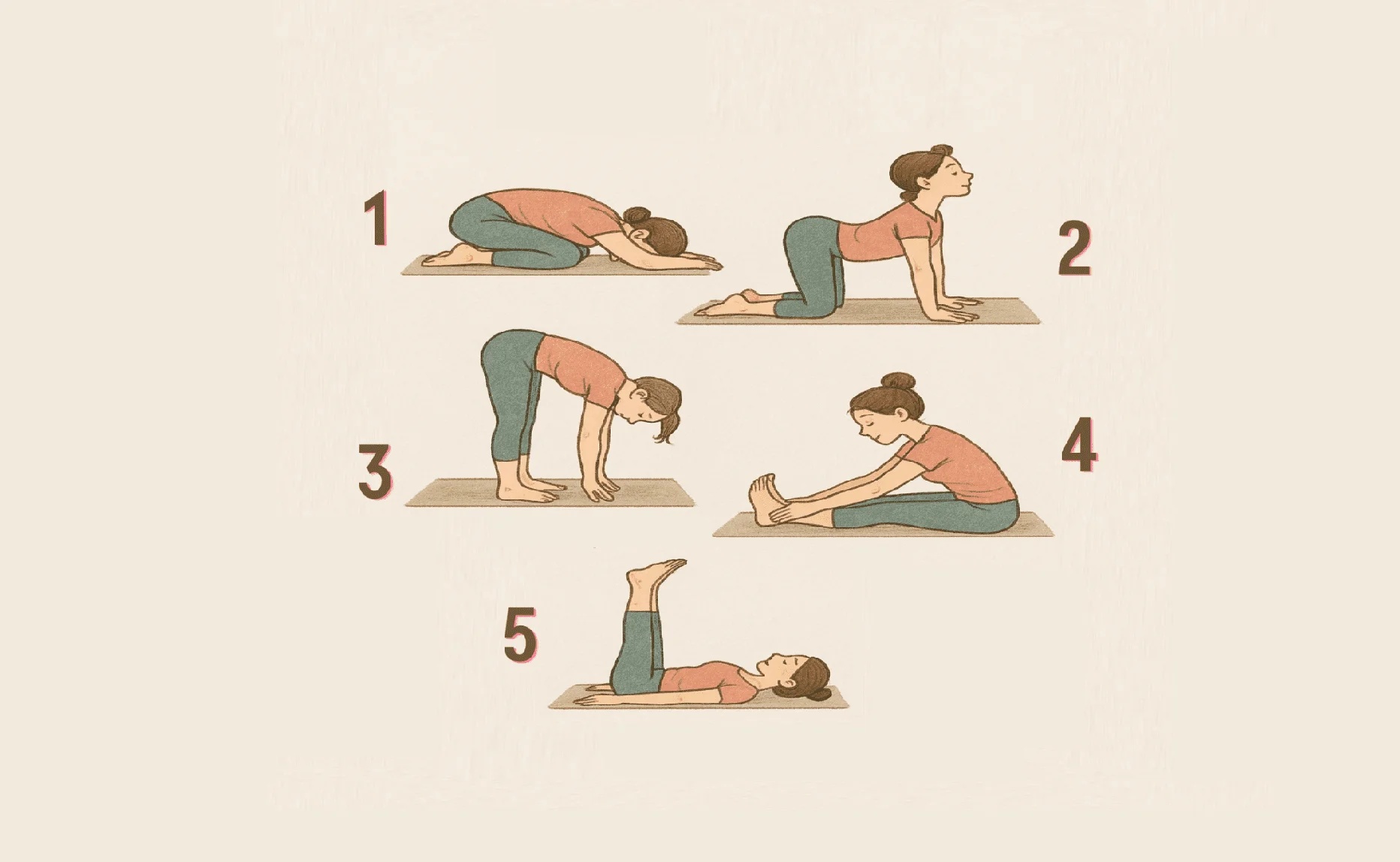
Yoga Poses for Stress Relief: Gentle Ways to Relax and Unwind
Gentle yoga poses that can help you slow down, release tension, and create a calmer moment in your day.
Essential Oils for Stress Relief and Better Sleep
Explore simple aromatherapy ideas and relaxing evening habits for creating a more peaceful atmosphere.

Healthy Late Night Snacks for Better Sleep
Simple food ideas that fit into a relaxing nighttime routine when stress affects your evenings.